The Sanctum is Open. Your Journey Begins.



Sacred Groundwork Guide
A clear catalog of sacred Earths & dusts and their traditional and practical uses to help you choose wisely.


Concerning the Sanctity of Red Brick Dust
In the established lore of the hidden arts, red brick dust is a primary medium of protective fortification. It is not derived from the chaotic energy of the earth itself, but from the transformation of earth through the elemental power of fire. It represents the transition from raw clay to a hardened, defensive barrier—a physical manifestation of boundaries, resilience, and the deliberate construction of safety.
Historical and Traditional Origins
Historically, the use of brick dust is deeply rooted in Southern folk magic and various domestic protection traditions. The efficacy of the dust is tied to the color red, which traditionally symbolizes life force, vitality, and the warding off of malice. The dust was obtained by grinding down used bricks—often from old thresholds or fireplaces—believed to be already "charged" by the history of the home they once protected. It was traditionally employed to create a "sealed" perimeter, sprinkled across doorframes or windowsills to prevent the entry of discordant spirits, jealous intent, or lingering negativity.
Modern Applications and Protocol
In the contemporary practice of the Etheric Sanctum, the focus has shifted toward the reclamation of domestic sovereignty and the reinforcement of personal space. Modern practitioners utilize this dust for:
Threshold Protection: Drawing a precise line across entryways to "lock" the space against external interference, ensuring that only energy in alignment with the home’s purpose may enter.
Structural Shielding: Incorporating red clay or brick dust into the corners of a workspace to create a grounded, resilient foundation that resists psychic "erosion."
The "Iron" Ward: Utilizing the dust as a tactile barrier during meditation to fortify one’s auric field, essentially creating a "brick wall" of intent against unwanted influence or emotional intrusion.
The Protocol of Use
The collection or preparation of brick dust requires a temperament of structural precision. If you are grinding your own, do so with a clear, rhythmic focus, envisioning the act as the fortification of your own defenses. If sourcing, ensure the material is pure, ideally sourced from red clay-based bricks, which retain a higher degree of "earthy" resonance than modern concrete alternatives.
When working with this dust, remember its function; it is a boundary-setter. It does not invite flow; it establishes a limit. It is the most effective tool for those who feel their personal or domestic space has become porous to the demands or anxieties of others. However, do not use it to isolate yourself from growth. It is a filter, not a prison. Always ensure your boundaries are permeable to the "light" you wish to keep, using the dust to keep out only that which threatens the integrity of your sanctuary. Pair it with a focused blessing to turn a simple barrier into an active, protective vigil.


Concerning the Sanctity of Consecrated Red Brick Dust
In the specialized topography of the Etheric Sanctum, this material represents the apex of domestic and spiritual fortification. Derived from 1880-era masonry reclaimed during the restoration of a historic house of worship, this brick dust is not merely a barrier; it is a "living" fortification. It carries the dual resonance of fire-hardened clay and a century of collective, consecrated intent, rendering it a uniquely potent instrument for the modern practitioner.
Historical and Traditional Origins
Historically, bricks salvaged from the thresholds and foundations of a church were held in the highest regard. They were believed to have been "charged" by the architectural intent of the building—the act of sanctuary creation—and subsequently saturated by the prayers, vows, and communal energy of the congregation over decades. Such material was not considered "discarded" but rather "seasoned." It was traditionally sought to sanctify new homes, to "fix" the energy of a room against spiritual intrusion, and to provide an impenetrable boundary for rituals demanding absolute purity.
Modern Applications and Protocol
In the contemporary practice of the Etheric Sanctum, this rare dust serves as the foundation for the highest levels of space protection. Modern practitioners utilize this consecrated material for:
The Sanctum Threshold: Creating a permanent, consecrated boundary at the primary entrance of one's home or workspace, ensuring that all energies crossing the line are filtered through the "tempered" resonance of the dust.
Anchor of Protection: Placing a small amount in a velvet pouch or glass vessel to serve as a mobile shield, specifically when navigating environments known for high stress or discordant psychic "noise."
Ritual Dedication: Utilizing the dust to "mark" the boundaries of a ritual circle, grounding the sacred space in the historical weight and spiritual history of the original structure.
The Protocol of Use
Due to its limited availability and profound history, this material requires a temperament of extreme reverence. When you employ it, you are not merely using a protective ward; you are interacting with a piece of architectural and spiritual history. Use it sparingly, with clear, unwavering focus. Do not treat it as a consumable resource, but as a permanent addition to your sacred infrastructure.
When working with this dust, remember that it is a conduit for order. It is designed to maintain the sanctity of a space against the chaos of the outside world. If you find your personal environment increasingly porous to outside stress, or if you require a foundation of "hardened" peace, this is your primary tool. Approach the application as an act of consecration. Place the dust with rhythmic, intentional movements, speaking or silently holding the intent that only that which is of the highest order may cross your threshold. It is a rare privilege to hold a fragment of this history; honor it, and it will fortify your work for years to come.
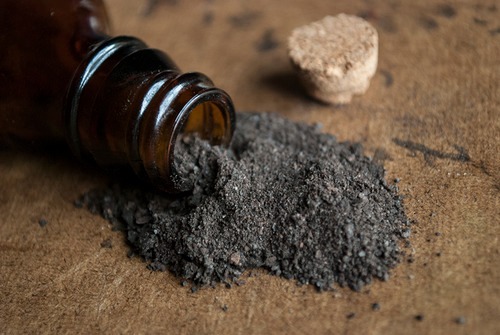
Concerning the Sanctity of Goofer Dust
In the specialized field of the hidden arts, Goofer Dust is a material of profound, adversarial potency. It is not a substance of protection or growth; it is a medium of "binding”, a concentrated agent designed to disrupt the equilibrium of a target, exert control over their movements, or introduce discord where there was previously harmony. It is the tactical counterpart to defensive earth, acting as a physical anchor for the practitioner’s directed will.
Historical and Traditional Origins
Historically, Goofer Dust is one of the most storied components of Southern Hoodoo. The term itself is believed to derive from the Kikongo word kufwa, meaning "to die." Traditional recipes varied, but they typically combined graveyard earth with pulverized minerals, desiccated botanical elements (such as sulfur or cayenne), and sometimes powdered insect parts. It was historically employed as a "crossing" agent—sprinkled in a target's path, hidden in their shoe, or placed under their bed to inflict illness, confusion, or to ensure they could not leave a situation. It represents the darker, kinetic application of the earth element; the use of the ground to "root" a person to their misfortune.
Modern Applications and Protocol
In the contemporary practice of the Etheric Sanctum, the focus has shifted toward the mastery of opposition and the assertion of authority over difficult situations. Modern practitioners utilize this dust for:
Binding and Containment: Using the dust to "fix" a situation that is spiraling out of control, effectively grounding the erratic energy of a conflict so it can be managed or brought to a close.
Asserting Command: Employing it as a tactical measure when facing an adversary who refuses to yield, intending to disrupt their focus and undermine their ability to act against the practitioner.
Disruption of Malice: Acting as a "mirroring" agent to return the dissonance of a curse or malicious intent back to its source, effectively binding the aggressor in the web of their own creation.
The Protocol of Use
The collection and preparation of Goofer Dust require a temperament of absolute resolve. This is not a material to be handled by the indecisive. When working with it, you are effectively declaring that you are the master of the conflict. Before you employ it, you must ensure your own foundation is unshakable—for if you cast a binding, you are tethered to the target until the work is resolved.
When working with this dust, remember its function; it is a tool of restraint and redirection. It is not for the destruction of the person, but for the destruction of their agency to harm or obstruct. Approach its application with the cold, precise intent of a strategist. It does not invite debate; it forces a reality upon the target. If you must use it, do so with a clear understanding of the repercussions, and always maintain a strong, protective boundary around your own spirit. Once cast, the intent is "nailed down"; ensure that your will is precisely where you wish it to stay.


Concerning the Sanctity of Gopher Dust
In the specialized field of the hidden arts, Gopher Dust—frequently misunderstood as a homophone for its adversarial counterpart—is a material of profound, kinetic defense. It is not an agent of binding, but of evasion and redirection. Named for the burrowing creature that retreats beneath the surface to find safety, this dust is a medium designed to allow the practitioner to "dig in," shield their movements, and vanish from the sight of those who wish them harm.
Historical and Traditional Origins
Historically, the use of Gopher Dust emerged as the functional antithesis to "Goofer" work. Traditional practitioners sought this material to create a "safe burrow" for the spirit and the home. It was crafted with earth harvested from the edges of stable, subterranean dwellings and combined with protective resins, powdered roots like calamus, and shielding minerals. It was historically employed as a means of "vanishing"—sprinkled at a threshold to ensure that gossip, malice, or negative intent directed at the inhabitant would simply bypass the home, leaving it unseen and unbothered.
Modern Applications and Protocol
In the contemporary practice of the Etheric Sanctum, the focus has shifted toward the mastery of sovereignty and the cultivation of invisible boundaries. Modern practitioners utilize this dust for:
Evasion of Hostility: Using the dust to "mask" one’s intent or presence when entering a high-conflict environment, allowing the practitioner to move through the situation without drawing notice or attracting discord.
Domestic Sanctuary: Distributing a light dusting around the property line to create an energetic "burrow," ensuring that the home remains a private, unreachable space for anyone intending to disrupt its peace.
Subtle Shielding: Carrying a small portion in a charm to soften the impact of external pressure, acting as a "cushion" that absorbs negative energy before it can penetrate one’s personal field.
The Protocol of Use
The preparation and application of Gopher Dust require the temperament of a protector who values discretion over confrontation. You do not shout your defense; you build it quietly, beneath the surface. When harvesting or preparing this medium, approach with the intent of "retreating to safety"—a calm, focused energy that prioritizes the preservation of your own peace above all else.
When working with this dust, remember its function; it is a tool of deflection. It does not engage with the adversary; it ensures that the adversary cannot find you. It is the ideal medium for those who find themselves targeted by unwanted attention, gossip, or external chaos and wish to simply disappear from that frequency. Unlike the hardened wall of brick dust, Gopher Dust is fluid and clever. It is for those who wish to walk through a storm without getting wet. Pair it with an element of "hiding," such as licorice root or poppy seeds, to ensure your intent remains tucked away, safe, and entirely secure from the eyes of the world.

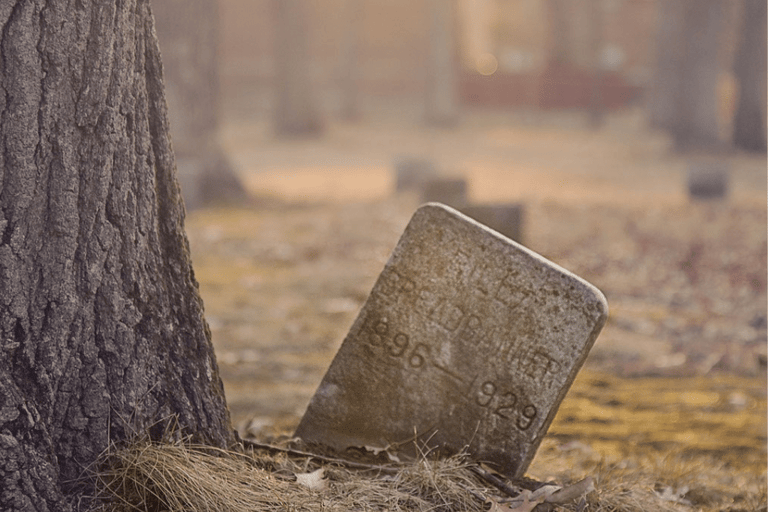

Concerning the Sanctity of Graveyard Earth
In the lexicon of the hidden arts, graveyard earth is a potent material, deeply rooted in the traditions of Hoodoo and various African American folk magic practices. It is not merely soil; it is a bridge between the living and the departed, carrying the gravity of transition, finality, and ancestral authority.
Historical and Traditional Origins
Historically, the harvesting of this earth was a matter of intense protocol. One did not simply take; one entered into a formal petition. Practitioners would leave an offering—often silver coins, fine spirits, or tobacco—at the grave to compensate the residing spirit for their cooperation and to gain their permission. Traditional use focused primarily on works of containment, justice, and grounding. The earth was believed to hold the weight of the "fixed" state, making it a powerful tool for stopping the movements of an adversary or ensuring a request was "nailed down" by the ancestors.
Modern Applications and Protocol
In the contemporary practice of the Etheric Sanctum, the focus has shifted toward the agency of the ancestor and the cultivation of spiritual boundaries. Modern practitioners utilize this earth for:
Ancestral Veneration: Placing a small, sealed vial upon an altar to invite the guidance and protection of those who have crossed the veil.
Defensive Protection: Utilizing earth as a sentinel to ground and neutralize malicious energies or discordant intents directed toward one’s home or sacred workspace.
Spiritual Anchoring: Serving as a tactile, earthy weight during meditation or scrying to stabilize the practitioner’s consciousness while communicating with spirits of the past.
The Protocol of Use
Respect is the absolute prerequisite. When you engage with such material, you must approach the source with gravity. Consider the "frequency" of the earth you seek—the soil of a protector may carry a different authority than that of a teacher. Always clear your space and establish your intent before engaging. Whether dusting a threshold for defense or creating a talisman for guidance, the efficacy of the work rests upon the clarity of your will and the depth of your reverence. Proceed with caution; for what is raised from the earth carries the weight of the grave.

Concerning the Sanctity of Church Earth
In the records of folk practice, church earth—specifically that sourced from the threshold or perimeter of an old house of worship—is regarded as a material of profound spiritual alignment. Unlike the grounding gravity of the grave, church earth is associated with the authority of the congregation, the resonance of collective prayer, and the sanctity of a consecrated space.
Historical and Traditional Origins
Historically, the efficacy of this earth was derived from its proximity to constant, focused communal intention. Traditional practitioners sought this soil for its "blessed" properties, believing it to be imbued with the echoes of hymns, supplications, and communal vows. It was widely employed in works of attraction, specifically for drawing harmony, securing peace within a household, or ensuring the success of a prayerful petition. In ancestral traditions, it was often used to "baptize" or sanctify a new tool of the craft, effectively cleansing it of prior associations and dedicating it to a higher, focused purpose.
Modern Applications and Protocol
In the contemporary practice of the Etheric Sanctum, the focus has shifted toward the cultivation of elevated resonance and the strengthening of spiritual intent. Modern practitioners utilize this earth for:
Consecration of Tools: Incorporating small amounts of church earth into the cleaning of ritual vessels or instruments to "reset" their energetic signature.
Harmonizing the Home: Distributing small pinches at the four corners of a residence to encourage peace, clarity, and the cessation of domestic discord.
Amplification of Petition: Placing earth from a church known for its history of charitable work alongside a written petition to hasten the manifestation of a favorable outcome.
The Protocol of Use
The collection of this earth requires a demeanor of humility and order. As with all sacred materials, one must seek permission from the spirit of the place. Do not harvest blindly; approach the threshold with a clear, focused mind and leave an appropriate offering—such as white candles or a small donation to the institution—to honor the exchange.
When working with this earth, remember that it carries the "vibration" of the prayers spoken within its walls. If you seek peace, source from a house of quiet meditation. If you seek dynamic energy, source from one vibrant with active communal work. The efficacy of your work is governed by the purity of your intent and the respect you maintain for the consecrated ground. Carry it as a reminder that the spaces we inhabit shape the energy we carry.


Crossroads Dirt: The Essence of Choice and Change
At Etheric Sanctum, we understand that some of the most powerful energy exists not at a destination, but in the space between. Crossroads Dirt is perhaps the most iconic and sought-after curio in the world of folk magic and occult study. Collected from the precise center where two paths meet and diverge, this soil is the physical manifestation of the "X"—the intersection of the horizontal world of humans and the vertical world of the spirits.
This is the earth of the traveler, the seeker, and the one standing at a life-altering precipice. Whether sourced from a rural dirt intersection or a bustling urban junction, our Crossroads Dirt is harvested during the "liminal hours" (midnight or dawn) to capture the maximum vibration of potential.
A History of the Liminal Space
The crossroads has been a site of spiritual significance for millennia. In Ancient Greece, these locations were sacred to Hekate, the goddess of the three ways, where "Hekate’s Suppers" were left to appease the spirits of the restless. In Roman times, the Compitalia was a festival celebrating the spirits of the crossroads.
However, the most famous lore surrounding the crossroads comes from the African Diaspora and the blues culture of the American South. Here, the crossroads is the office of the Messenger Spirit (known as Papa Legba in Voodoo, Eshu in Santería, or the "Man in Black" in Southern folklore). It is the place where one goes to "make a deal," to trade old limitations for new talents, and to open doors that have been double-locked by fate.
Historical & Traditional Uses
In traditional practices, crossroads dirt is the ultimate "activator." It is rarely used alone; instead, it is added to other elements to give them "direction" and "movement."
Opening the Way: Traditionally, if a person felt their life was stagnant, they would sprinkle crossroads dirt toward the rising sun. This was believed to "clear the road" of obstacles and bring new opportunities within reach.
The "Decision" Ritual: When faced with two equally difficult choices, practitioners would traditionally take a pinch of dirt from the center of a crossroads and place it under their pillow to receive a clarifying dream.
Calling the Spirits: Historically, the crossroads was the "telephone" to the underworld. Dirt from this location was used on altars to facilitate communication with spirits, acting as a neutral ground where humans and the "other" could meet safely.
Sending Away Negativity: To get rid of a bad influence, traditional practitioners would sweep the person's footprints into a pile of crossroads dirt and "throw it to the wind" at the center of the intersection, ensuring the person would find a path away from them.
Modern Uses in the Contemporary Craft
Today, crossroads dirt remains a favorite for those undergoing major life transitions—career changes, moves, or personal evolutions.
Breaking a Stalemate: If you are "stuck" in a situation, modern practitioners use this dirt in jar spells to introduce the energy of "The Fork in the Road," forcing a resolution one way or the other.
Manifesting a New Path: For those starting a new chapter (like a new business or a fresh relationship), this earth is used to "pave" the metaphorical road ahead, ensuring the journey is swift and the direction is clear.
Hekate and Hermes Devotion: Modern pagans often keep a vial of crossroads dirt on their altars dedicated to deities of travel, commerce, and magic to act as a permanent portal for their petitions.
Increasing Synchronicity: Some keep a small pouch of this dirt in their vehicle or bag to invite "meaningful coincidences" and ensure they are in the right place at the right time.
The Ethics of the Intersection
At Etheric Sanctum, we collect our crossroads dirt with specific attention to the "Spirit of the Way." We perform the traditional "pay for the dirt" ritual—leaving three coins or a libation of coffee or spirits at the center of the intersection. We ensure the collection does not interfere with the flow of travelers, honoring the crossroads as a place of constant motion and infinite possibility.
Important Disclaimer
This product is sold strictly as a curio for display and collection purposes only. Etheric Sanctum makes no claims regarding the supernatural, directional, or life-altering properties of this item.
Safety First: This item is NOT for human or animal consumption. Do not ingest.
Travel Safety: Carrying a curio does not replace common sense or safety precautions while traveling.
Hygiene: This is natural soil; wash hands after handling. Keep away from eyes and open wounds.
Intent: The historical legends associated with this item are provided for cultural and educational context.


Concerning the Sanctity of Asylum Earth
In the darker corridors of folk practice, earth sourced from the perimeter of a decommissioned asylum or site of intense psychological confinement is viewed as a medium of "unrested" energy. It is not soil of peace, nor soil of authority; it is soil of fragmentation and heightened sensitivity.
Historical and Traditional Origins
Historically, the use of this earth was restricted to highly specialized, often delicate work. Traditional practitioners sought this location for its residual "impression"—the belief that the intense emotional states, sorrows, and heightened states of consciousness experienced within those walls permeated the ground itself. It was historically employed in works intended to "shatter" mental blocks, induce profound shifts in perspective, or, in more adversarial applications, to confuse the senses and fracture the resolve of an opposing force.
Modern Applications and Protocol
In the contemporary practice of the Etheric Sanctum, the focus has shifted toward the mastery of the psyche and the reclamation of suppressed narratives. Modern practitioners utilize this earth for:
Breaking Stagnation: Using a small amount of asylum earth to "disrupt" a rigid pattern of thought or a behavior that has become a self-imposed prison.
Deep Insight: Serving as a tactile anchor when seeking to understand the chaotic, non-linear aspects of the unconscious mind during shadow work.
Psychic Shielding: Acting as a chaotic "noise" source to distract or neutralize unwanted psychic intrusion, effectively masking the practitioner’s true intent by creating an energetic diversion.
The Protocol of Use
The collection of asylum earth requires a temperament of extreme caution and psychological preparedness. This is not a site to enter lightly. When gathering, one must approach with the intent of a "healer" rather than a "thief," offering tokens of release or soothing herbs to quiet the residual unrest of the land.
When working with this earth, remember its volatile nature; it is designed to move, fracture, and shift. It is not for the faint of heart, nor for the ungrounded. If your work involves unraveling deep-seated patterns or navigating the complexities of the shadow self, this element provides the raw, untamed frequency required. However, it must be used with a firm, anchored will. Always pair it with a grounding agent or a stabilizing incense, for you are working with energy that, in its natural state, seeks to escape all boundaries. Use it to shatter what is false, but ensure you have the strength to rebuild what remains.


Concerning the Sanctity of Mortuary Earth
In the specialized field of the hidden arts, mortuary earth—soil sourced from the immediate exterior of a funeral home or the grounds where a body is prepared for its final rest—is a material of unique, lingering transition. Unlike graveyard earth, which carries the weight of the resting place, mortuary earth possesses the frequency of the liminal departure. It is the soil of the "waiting room" between the physical life and the Great Beyond.
Historical and Traditional Origins
Historically, this earth was sought for its proximity to the process of detachment. Traditional practitioners utilized it in works of "separation"—the severance of unwanted habits, the easing of a spirit’s departure from a site of trauma, or the formal closing of a chapter that has become stagnant. It was believed to hold a "neutralizing" quality, as it exists in the space where the vitality of life has just ceased, but the finality of the earth has not yet been achieved. It was often employed to "silence" or "still" a situation that had become overly loud or chaotic.
Modern Applications and Protocol
In the contemporary practice of the Etheric Sanctum, the focus has shifted toward the mastery of release and the navigation of emotional thresholds. Modern practitioners utilize this earth for:
The Rite of Severance: Using a small portion to symbolically "bury" an attachment, a negative memory, or an outdated belief system, allowing for a clean break.
Energetic Stillness: Incorporating it into a ritual intended to create a vacuum or a period of "void" in which new intentions can be planted without the interference of old patterns.
Cleansing of Residue: Acting as an agent to absorb the "echoes" of a recent conflict, drawing the lingering, dissonant energy out of a room or off a ritual object.
The Protocol of Use
The collection of mortuary earth requires the temperament of a psychopomp—one who guides and respects the crossing. You must approach the perimeter with absolute silence, acknowledging the purpose of the institution. Offerings should be subtle, such as white flora or a small drop of sweet water, left to honor the transition of those passing through the doors.
When working with this earth, remember its purpose; it is an agent of finality. If you seek to bring something to a conclusion, to "turn the page," or to clear the air after a period of intense turbulence, this is the medium of choice. However, do not use it lightly. It does not invite growth; it invites rest. Ensure you have a clear understanding of what you are putting to an end, for the energy of the mortuary is exceptionally effective at making things cease. Pair it with a vibrant, life-affirming incense to ensure that the "void" created is quickly filled with your intended renewal.


Concerning the Sanctity of Hospital Earth
In the intricate geography of the hidden arts, hospital earth is classified as a medium of "accelerated passage"—a site where the veil between the physical body and the metaphysical realm is constantly being tested. Unlike the stillness of the cemetery or the liminality of the mortuary, hospital earth carries the frequency of urgent transition, crisis, and the raw, unadulterated drive for survival.
Historical and Traditional Origins
Historically, the use of this earth was fraught with complexity. Traditional practitioners sought out hospital grounds for their intense concentration of "life-force" energy, specifically the desperate, focused desire for recovery. It was often employed in works of healing or the reversal of decline, as the soil was believed to be saturated with the frantic, singular intent to remain in the physical plane. Conversely, in more shadow-leaning traditions, it was used to "draw out" infirmity, acting as an absorbent vessel for the sickness or ailment being extracted from a practitioner or their charge.
Modern Applications and Protocol
In the contemporary practice of the Etheric Sanctum, the focus has shifted toward the mastery of vitality and the restoration of systemic equilibrium. Modern practitioners utilize this earth for:
Restorative Work: Incorporating hospital earth into petitions aimed at recovering one’s strength or "recharging" after a period of intense, draining spiritual or physical labor.
Extraction of Dissonance: Using it to absorb the "residue" of a long-term, chronic negative influence, effectively drawing the malaise into the earth and away from the body.
Crisis Management: Employing it as a grounding weight during sudden, chaotic upheavals in one's life, tapping into its resonance with the "urgency of the living" to maintain focus when everything else feels unstable.
The Protocol of Use
The collection of hospital earth requires the temperament of a field medic. You must approach the exterior of the grounds with a clear, objective mind. Avoid gathering near emergency entrances or areas of high distress; seek out the quiet edges where the energy is more settled. Because this earth is saturated with the desperation of many, it must be thoroughly "cleansed" or "baptized" with high-vibration incense or floral water before use to ensure you are working only with the raw potential for recovery, not the lingering fear of the patients.
When working with this earth, remember its volatile nature; it is a catalyst. It is designed to force movement—either toward recovery or toward finality. It is a powerful tool for those seeking to fundamentally alter a state of physical or spiritual decay. However, use it with a firm hand. Because it is so highly charged with the human will to survive, it can be unpredictable if your own intent is not sharply defined. Always pair it with a stabilizing element, such as rosemary or protective resins, to ensure that the change you are manifesting is one of health and integration, rather than chaos.


Concerning the Sanctity of Bank Earth
In the specialized topography of the hidden arts, bank earth is regarded as a material of concentrated magnetism and structured accumulation. It is not soil of transition or finality, but rather a medium of "fixed value"—a space where the collective intent of a community is funneled toward growth, security, and the preservation of resources.
Historical and Traditional Origins
Historically, the efficacy of bank earth was tied to the concept of "growth by proximity." Traditional practitioners sought this soil for its perceived ability to anchor financial stability and draw abundance. Because a bank is a site of constant, focused human desire for prosperity, the ground upon which it rests was believed to absorb the energetic signature of increase. It was traditionally employed in works of attraction, particularly for the success of business ventures, the acquisition of property, and the solidification of personal wealth.
Modern Applications and Protocol
In the contemporary practice of the Etheric Sanctum, the focus has shifted toward the mastery of resource manifestation and the stabilization of personal abundance. Modern practitioners utilize this earth for:
Financial Anchoring: Placing a small, ritually prepared amount within a business safe or cash box to "anchor" the flow of income and prevent dissipation.
Expansion of Influence: Incorporating bank earth into mojo bags or talismans when launching a new commercial project, intending to draw the same structural expansion to the business that the bank attracts to its vaults.
Strategic Growth: Serving as a tactile, earthy weight when performing meditations centered on career advancement or the development of long-term financial strategy.
The Protocol of Use
The collection of bank earth requires a temperament of precision and respect for the "structure" of the institution. As with all sacred materials, do not harvest near high-traffic security zones; seek the quiet corners of the property. When gathering, leave an offering that reflects the nature of the work—such as copper or gold-colored coins, or a drop of an oil associated with abundance (like cinnamon or patchouli)—to "pay" for the energetic exchange.
When working with this earth, remember its inherent nature; it is a container. It does not naturally "flow"; it accumulates. Therefore, it is essential to pair this earth with elements that promote circulation and movement, such as mint or basil, to ensure that the wealth you attract does not stagnate. The efficacy of your work is governed by the clarity of your intent and the discipline with which you approach your own prosperity. It serves as a physical reminder that just as a bank requires a foundation to hold its wealth, your own goals require a firm, grounded intent to manifest in the physical realm.


Concerning the Sanctity of Battlefield Earth
In the specialized topography of the hidden arts, battlefield earth is a material of profound, kinetic intensity. Unlike the stillness of the cemetery or the structured accumulation of a bank, battlefield earth is a medium of "fixed momentum"—a site where the raw, desperate, and singular wills of many have been violently exerted upon the earth. It is not merely soil; it is a repository of absolute conviction and sudden, radical transformation.
Historical and Traditional Origins
Historically, the efficacy of this earth was derived from its resonance with courage, conflict, and the "severance of the old." Traditional practitioners sought this ground for its ability to override hesitation. It was widely employed in works of victory, protection against external hostility, and the forceful removal of obstacles. Because the battlefield is a place where the outcome is determined by the strength of one’s resolve, the soil was believed to be saturated with the "energy of the conqueror." It was often used to harden one’s will, fortify a boundary against an adversary, or compel a situation toward a definitive conclusion.
Modern Applications and Protocol
In the contemporary practice of the Etheric Sanctum, the focus has shifted toward the mastery of internal fortitude and the successful navigation of intense pressure. Modern practitioners utilize this earth for:
Fortification of Will: Incorporating small amounts into talismans to enhance one’s resolve and maintain focus during high-stakes personal or professional challenges.
Overcoming Obstacles: Using it in rituals intended to "clear the path" when faced with aggressive opposition or long-standing, stubborn resistance.
Energetic Armor: Distributing a thin line at the perimeter of a workspace when one must operate in a highly competitive or confrontational environment, effectively creating a zone of "unwavering resolve."
The Protocol of Use
The collection of battlefield earth requires the temperament of a veteran. One does not enter such a space for sport; one enters with the gravity of remembrance. When harvesting, you must approach the land with profound respect for the lives and ideals that were staked there. Offerings should be substantial, such as iron, strong spices, or a libation of dark spirits, to honor the historical weight of the site.
When working with this earth, remember its volatile nature; it is a medium of action. It does not invite calm; it invites resolution. It is an exceptionally potent tool for those who find themselves in a state of paralysis or who need to claim authority over their current trajectory. However, do not use it to provoke unnecessary discord. It is a tool for defense, for triumph, and for the absolute affirmation of your purpose. Always pair it with a cooling, stabilizing element—such as sage or calm water—to ensure that the intensity it invokes remains channeled toward your specific goal, rather than bleeding into the rest of your life.


Ashes (Sacred/Ritual Residue)
Scientific Name: N/A (Carbonaceous/Mineral remains of organic combustion)
Regional Origin: Universal (Found in Vedic, Shamanic, Alchemical, and Folk-Magical traditions globally).
Historical/Traditional Occult Use: Ashes are the final energetic "signature" of a completed transformation. Historically, they were harvested from the hearths of sacred fires or temples. Because they represent the "finished" state of an herb or incense, they were used to seal spells, create protective circles, or as a fundamental ingredient in "Goofer Dust" or binding powders.
Modern Metaphysical Use: Used as a potent "sealing" agent. When an intent is burned (like in a candle or paper petition), the resulting ash holds the concentrated vibration of that intent. Scattering or applying this ash is the ritual act of "grounding" the spell into the material world.
Occult Benefits: Ashes provide the element of Earth in its most refined, "dead" state—which is ironically where life-force is most stabilized. They are the ultimate tools for protection and permanence. Because the material has already passed through the transformative fire, it is "impressed" with the magician's will and cannot be easily undone by outside influences. They serve as a bridge between the physical and the subtle, helping to "lock in" the energy of a working.
General Use Benefits: Highly prized in organic gardening as a soil amendment (potash), their metaphysical use mirrors their physical nature: they return vital nutrients to the earth, just as they return "vital energy" to the practitioner’s manifestation cycle.
Ritual Uses: Collect the ash from a completed candle spell and store it in a small vial to carry as a "talisman of completion". Mix with water to create a protective, dark wash for your front threshold, or sprinkle over a written petition that has been burned to ensure the message is "received" by the spirit realm and grounded in reality.


Salts: Rock, Himalayan, Sea, and Culinary (General Ritual Use)
Scientific Name: NaCl (Sodium Chloride, with variable trace minerals)
Regional Origin: Universal; deposits found worldwide in ancient dried seabeds, salt mines, and coastal evaporative pans.
Historical/Traditional Occult Use: Salt is the universal "Great Preserver." Throughout history, it was so valuable it functioned as currency. In almost every culture, it was used to seal oaths, preserve food, and prevent the decay of corpses (symbolically protecting the soul). It is the most fundamental tool for creating sacred boundaries and "locking" a ritual's intent.
Modern Metaphysical Use: Used as a protective barrier, a cleansing medium, and a stabilizing agent. Salt is the primary ingredient in almost all "boundary" spells, meant to keep unwanted entities or low-vibrational energies away from the practitioner.
Occult Benefits: Salt acts as an energetic "neutralizer." It strips away the emotional charge of a space or object, bringing it back to a blank, base state. Rock Salt is heavy and grounded, ideal for physical protection. Himalayan Salt, with its mineral content, adds a "softer," earth-healing vibration. Sea Salt is fluid and cleansing, perfect for anything related to emotions or the water element. The crystalline structure of salt is believed to hold the "memory" of the earth, making it an excellent container for magical programming.
General Use Benefits: Essential for food preservation, culinary seasoning, and mineral-rich bathing. It is an effective household tool for scrubbing away grime and absorbing moisture.
Ritual Uses: Sprinkle across a doorway to prevent negative energy from entering, place a bowl of salt on your altar to stabilize the energy of a spell, dissolve in bathwater to "wash off" the negativity of the day, or use in a salt-scrub ritual to exfoliate the skin and spirit simultaneously.
Rock Salt (Coarse/Halite)
Profile: Unrefined, raw, and dense.
Ritual Use: This is the "heavy artillery" of protection. Because it is unrefined and structurally dense, it is the best choice for forming physical circles or perimeter lines that are meant to hold firm for long periods. Use this when you need a rigid, unwavering boundary.
Himalayan Salt (Pink)
Profile: Rich in trace minerals (iron/magnesium), warm, and soothing.
Ritual Use: This salt has a "softer" energetic signature. It is ideal for rituals involving self-love, heart-healing, and emotional restoration. It grounds the practitioner while simultaneously lifting their mood, making it perfect for rituals that require you to feel both secure and uplifted.
Sea Salt
Profile: Derived from evaporated seawater, fluid, and cleansing.
Ritual Use: The salt of choice for rituals involving emotions, intuition, and the subconscious. It has a natural affinity with the moon and tides. Use this for "cleansing" baths or for any spellwork that involves clearing away emotional attachments or "washing away" old habits.
Earth & Groundwork FAQs
Are these materials ethically and respectfully sourced?
Each sample is acquired with the utmost gravity and formal petition. We adhere to strict protocols, ensuring every site is honored with appropriate offerings and sincere intent before any material is ever disturbed or collected.
How long does the energy of the earth last?
These materials are mineral-based and hold their resonance indefinitely if kept properly. The efficacy depends not on time, but on your consistent, focused interaction with them. They are as lasting as your own dedication. If you feel something is not quite right any longer, perhaps it has run it's course in its journey with you, is suggested to return the elements to the ground and begin a new with a new procurement.
Is it safe to keep this earth in my home?
When handled with respect and kept within a sealed, consecrated vessel, these materials act as stable energetic anchors. They are tools of focus; treated with reverence, they will serve your work without disrupting your domestic peace.
How do I "cleanse" the earth before I use it?
Though each sample is gathered under specific intentions and is cleaned here at the Sanctum, I recommend passing the vessel through the smoke of high-vibration resins like frankincense or dragon’s blood to align the material’s frequency with your own personal will.
Can I mix different types of earth together?
Combining different earths requires a mastery of their elemental "temperaments." I advise against it until you have successfully used them individually, as their combined resonance can be volatile and difficult to focus without experience.
Do I need to make an offering to the earth after I receive it?
While the initial petition is settled at the source, acknowledging the earth with a simple offering—such as a candle or a small gesture of gratitude upon your altar—helps integrate its energy into your personal practice.