The Sanctum is Open. Your Journey Begins.


The Verdant Codex
Detailed insights and images for each herb or ingredient item to help you understand their uses and benefits.
Herbs & Ingredients
A closer look at the Sanctums collection of nature's finest ingredients


Herb Details
Alchemist’s Cascarilla
Scientific Name: Croton eluteria (bark); Gallus gallus domesticus (eggshell)
Regional Origin: The Caribbean (Bahamas/Cuba) for the bark; universal for eggshells.
Historical/Traditional Occult Use: Originally, "Cascarilla" referred specifically to the bark of the Croton eluteria shrub. Due to its white color, it was used in Afro-Caribbean traditions (like Santería) for protection. Over time, crushed eggshell (also white) became the standard, as it symbolized life, rebirth, and a potent barrier against negativity.
Modern Metaphysical Use: It is arguably the most essential tool for ritual cleansing, banishing, and creating sacred boundaries. It is used to draw protective circles, coat candles to amplify intention, or added to spiritual baths.
Occult Benefits: It functions as a "spiritual reset" button. It repels malicious spirits, absorbs heavy or chaotic energy, and acts as a neutral white-light shield that prohibits negative entities from crossing a marked threshold.
General Use Benefits: The bark has historically been used as a digestive tonic and fever reducer, while the eggshell powder is primarily prized for its high calcium content.
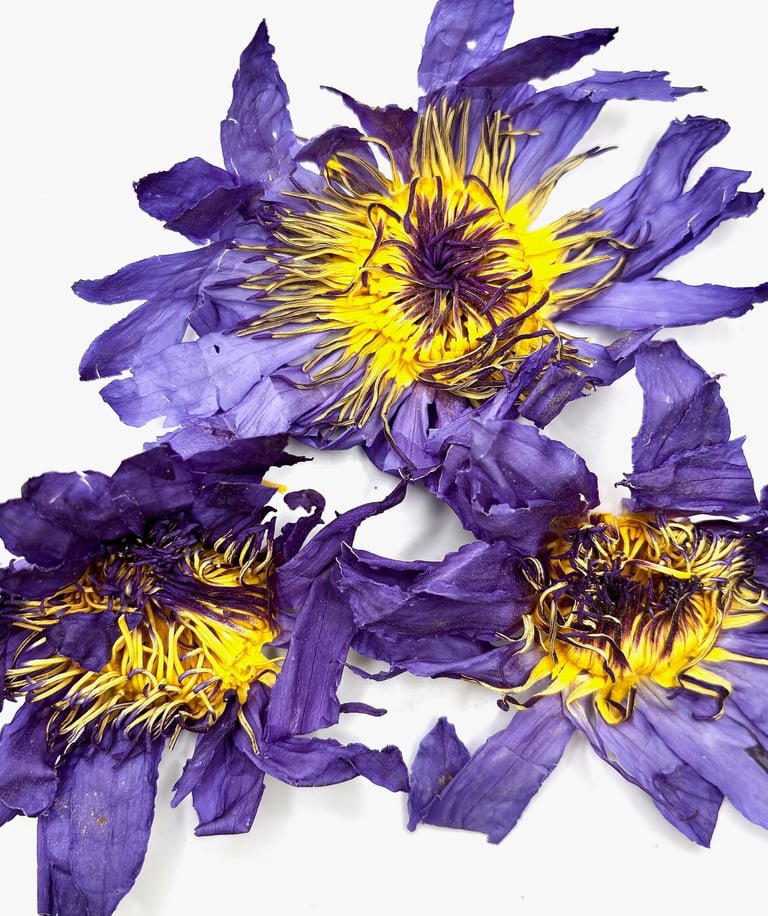
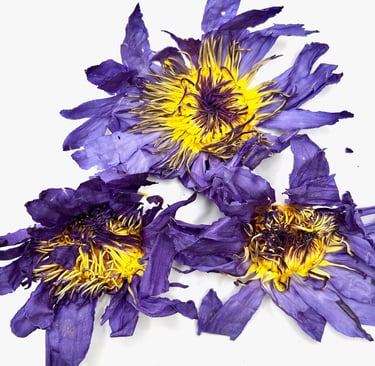
Blue Lotus (common)
Scientific Name: Nymphaea nouchali (Dark Purple variant)
Regional Origin: Ancient Egypt (originating in the Nile Delta), now mainly found across South and Southeast Asia.
Historical/Traditional Occult Use: In ancient Egypt, the flower was sacred, representing the sun, creation, and rebirth. It was used in funerary rites and temple ceremonies to induce states of divine connection and expanded consciousness.
Modern Metaphysical Use: Used in meditation to bridge the gap between the physical and astral realms. It is often consumed as a tea or incense to aid in lucid dreaming and to soften the "filter" of the ego, allowing for deeper psychic receptivity.
Occult Benefits: Heightens intuition, facilitates connection to the higher self, and promotes a trance-like state conducive to scrying or prophetic work. It is deeply associated with lunar and solar energies depending on the tradition.
General Use Benefits: Widely used as a natural relaxant, it helps soothe nervous tension, supports healthy sleep patterns, and provides a mild, euphoric, and anti-inflammatory boost to the mood.


Blue Lotus (True Egyptian)
Scientific Name: Nymphaea caerulea
Regional Origin: Native to the Nile River Valley of Ancient Egypt and parts of East Africa. Revered for its rare pale blue and white blossoms, it is considered the true sacred Blue Lotus depicted in many ancient Egyptian artworks and temple carvings.
Historical/Traditional Occult Use: One of the most sacred flowers of Ancient Egypt, Blue Lotus symbolized creation, rebirth, enlightenment, and the journey of the soul. It was used in religious ceremonies, funerary rites, and spiritual gatherings where it was believed to encourage communion with the divine and deepen states of contemplation.
Modern Metaphysical Use: Commonly incorporated into meditation, dreamwork, and spiritual practices to promote tranquility and introspection. Many practitioners use Blue Lotus as a tool for mindfulness, visualization, and cultivating a deeper awareness of the inner self.
Occult Benefits: Traditionally associated with intuition, spiritual awakening, heightened awareness, and inner wisdom. It is often used in rituals focused on meditation, psychic development, dream exploration, and connecting with higher states of consciousness. The flower carries strong associations with both solar rebirth and lunar mystery within various esoteric traditions.
General Use Benefits: Widely appreciated for its calming and soothing qualities. Blue Lotus is commonly used to encourage relaxation, support restful sleep, ease nervous tension, and promote a gentle sense of well-being. Many users report a subtle uplift in mood, enhanced dream vividness, and a peaceful state of mental clarity.
Authentic Egyptian Blue Lotus (Nymphaea caerulea) contains measurable nuciferine and appears to have significantly higher nuciferine levels than many water lilies and misidentified "blue lotus" (Nymphaea nouchali) products sold online.
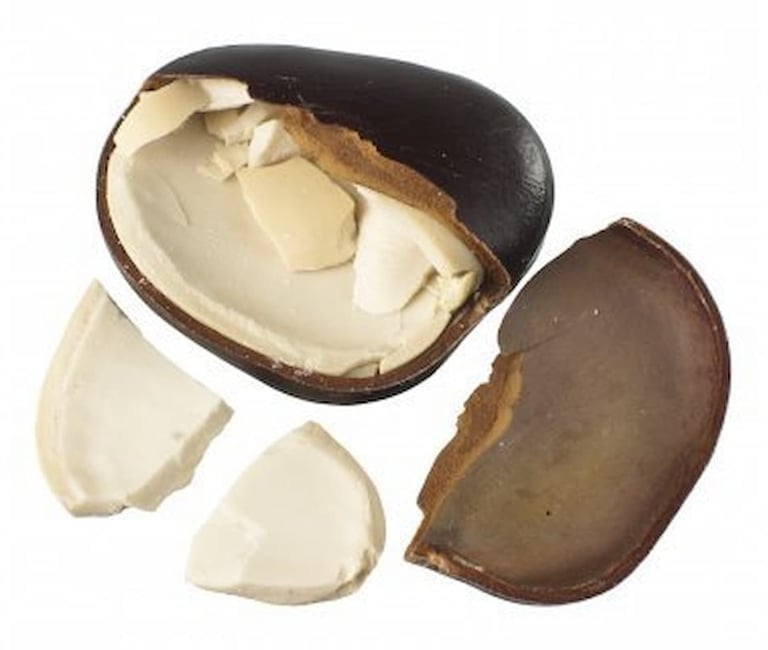
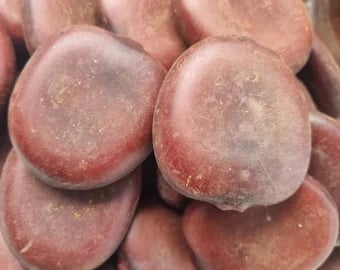
African Dream Bean
Scientific Name: Entada rheedii
Regional Origin: Native to tropical and subtropical regions of Africa, particularly along coastal forests, river systems, and woodlands. The large, distinctive seeds are often carried great distances by rivers and ocean currents, earning them the nickname "Sea Hearts."
Historical/Traditional Occult Use: African Dream Bean has been used in various traditional African spiritual practices for dream enhancement, ancestral connection, and divination. The seeds were often regarded as sacred tools for accessing wisdom through dreams and strengthening communication with the spirit world.
Modern Metaphysical Use: Commonly incorporated into dreamwork, meditation, and spiritual exploration. Practitioners use African Dream Bean to encourage vivid dreams, deepen dream recall, and support introspective practices aimed at uncovering subconscious insights and symbolic messages.
Occult Benefits: Traditionally associated with lucid dreaming, ancestral communication, intuition, and spiritual guidance. Many practitioners view the bean as a powerful ally for exploring the dream realm, receiving symbolic teachings, and enhancing awareness during sleep. It is often used in rituals focused on self-discovery and connection with higher wisdom.
General Use Benefits: Primarily valued for its dream-enhancing properties. Users frequently report more vivid dreams, improved dream recall, greater awareness of dream symbolism, and a deeper connection to their inner thoughts and emotions. It is commonly used as part of a bedtime ritual dedicated to reflection, mindfulness, and personal growth.
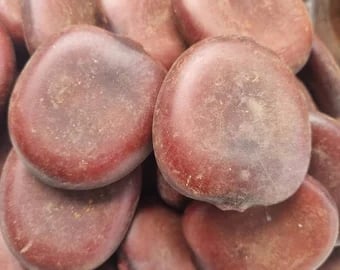
Mexican Dream Herb
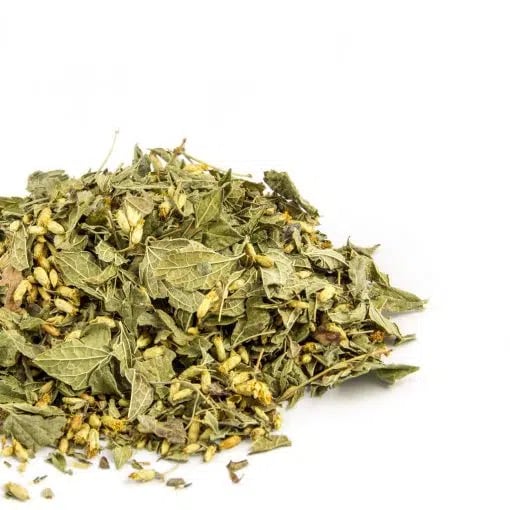
Scientific Name: Calea ternifolia (formerly Calea zacatechichi)
Regional Origin: Native to Mexico and Central America, where it has been traditionally used by Indigenous peoples, particularly the Chontal people of Oaxaca, for dream-related practices and spiritual insight.
Historical/Traditional Occult Use: Known as the "Dream Herb" or "Leaf of God," Calea ternifolia has a long history of ceremonial use in Indigenous Mexican traditions. It was traditionally consumed before sleep to encourage vivid dreams, enhance dream recall, and seek guidance through the dream state. Shamans and spiritual practitioners used the herb as a tool for divination and receiving messages from the unseen world.
Modern Metaphysical Use: Commonly used by those interested in lucid dreaming, dream journaling, meditation, and inner exploration. Many practitioners incorporate Mexican Dream Herb into evening rituals to strengthen dream awareness and deepen their connection to the subconscious mind.
Occult Benefits: Traditionally associated with dreamwork, intuition, divination, and spiritual insight. It is often used to enhance dream recall, encourage lucid dreaming, facilitate symbolic interpretation, and support communication with the deeper layers of consciousness. Many esoteric traditions view it as a bridge between waking awareness and the dream realm.
General Use Benefits: Valued for its ability to promote vivid dreams and improved dream memory. Users commonly report increased dream clarity, enhanced self-reflection, and a greater awareness of subconscious thought patterns. It is often used as part of a nighttime mindfulness practice focused on personal growth and introspection.
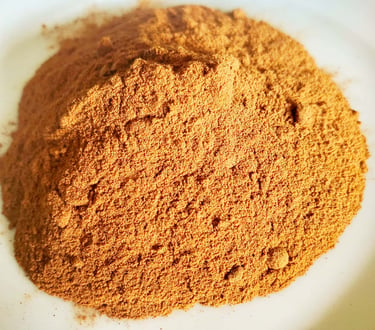
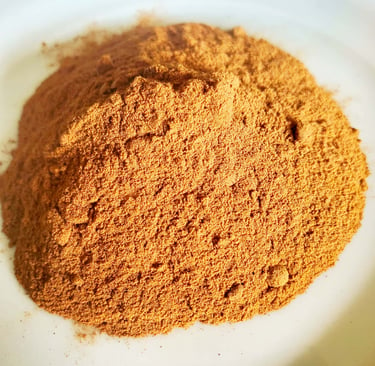
Blue Lotus Extract Powder
Scientific Name: Nymphaea nouchali
Regional/Historical/Modern/Occult/General: As a concentrated form, it retains all the properties of the raw flower but requires a much smaller dosage. In occult work, the extract is often preferred for ritual oils or potent "psychic opening" blends where physical bulk is undesirable.


Catnip
Scientific Name: Nepeta cataria
Regional Origin: Europe and Central Asia; now widely naturalized.
Historical/Traditional Occult Use: Historically used in "love magic" and to attract benevolent spirits. It was often kept in the home to foster a happy, peaceful environment.
Modern Metaphysical Use: Often used in sachets to attract good fortune, love, and emotional stability. It is also used to calm the "spiritual atmosphere" of a space where there has been recent arguing or tension.
Occult Benefits: Promotes domestic harmony, enhances the bond between humans and animal familiars, and helps soothe psychic "scratchiness" or agitation in one's personal aura.
General Use Benefits: Renowned as a gentle sedative for humans, it aids in sleep, reduces anxiety, and is excellent for soothing digestive upset.


Chamomile (Whole)
Scientific Name: Matricaria chamomilla
Regional Origin: Europe and Western Asia.
Historical/Traditional Occult Use: A classic "money-drawing" herb. It was often washed over hands before gambling or added to purses to attract wealth and abundance.
Modern Metaphysical Use: Primarily used for purification, meditation, and calming ritual spaces. It is a staple in "calm and manifest" spells where success is needed without excessive chaos.
Occult Benefits: Protects the aura from "emotional vampires," attracts prosperity through gentle means, and facilitates a meditative state that makes spiritual work more effective.
General Use Benefits: One of the most effective natural relaxants for the nervous system, it reduces inflammation, promotes deep sleep, and settles the stomach.


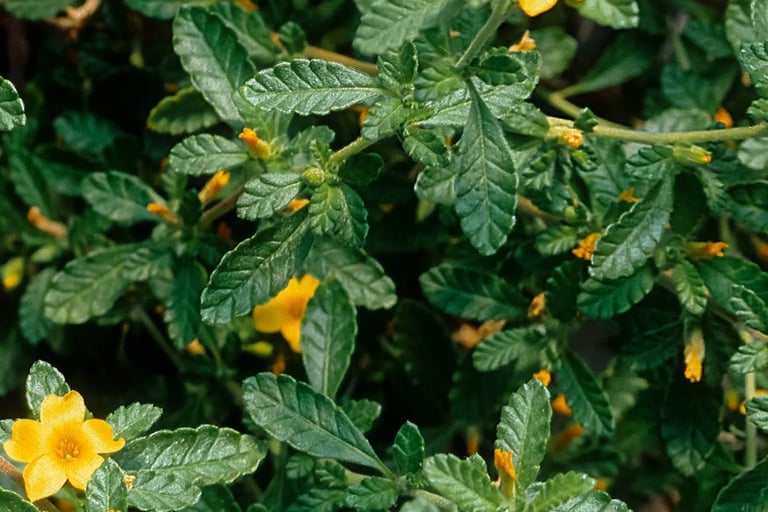
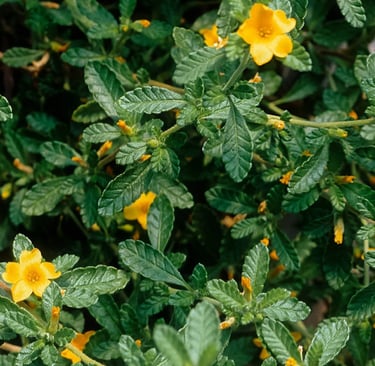
Damiana
Scientific Name: Turnera diffusa
Regional Origin: Mexico, Central America, and the Caribbean.
Historical/Traditional Occult Use: Long associated with love and lust magic. It was traditionally used to reignite passion and restore energetic vitality in relationships.
Modern Metaphysical Use: Used in "passion" incense or love-drawing sachets. It is also used in workings meant to boost personal charisma, confidence, and sexual energy.
Occult Benefits: Boosts the "solar plexus" energy, helping the practitioner project confidence. It is also used to increase the potency of manifestation spells by adding "fire" or libido-like drive to the intent.
General Use Benefits: Known as a nervous system tonic and mood enhancer, it supports hormonal balance and provides a mild, euphoric boost to physical stamina and mood.
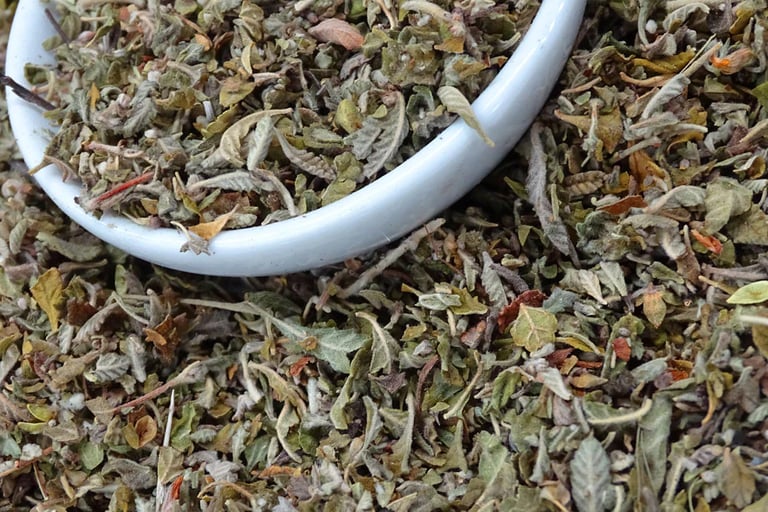
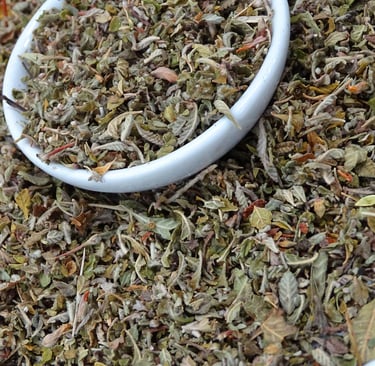
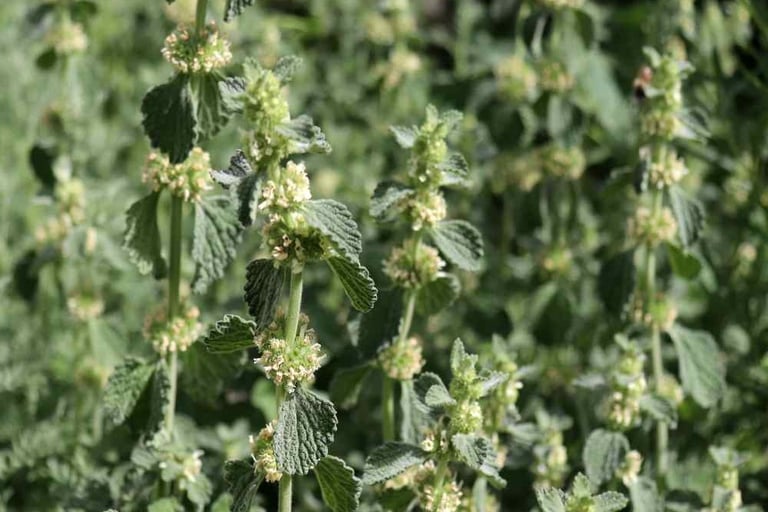
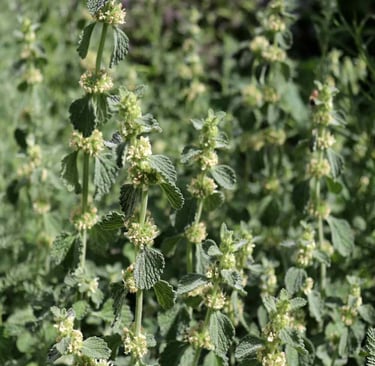
Horehound
Scientific Name: Marrubium vulgare
Regional Origin: Europe, Northern Africa, and Central Asia.
Historical/Traditional Occult Use: Considered a powerful herb for mental clarity and protection. It was believed to ward off sorcery and mental confusion.
Modern Metaphysical Use: Used for "clearing the head" before ritual or divination. It is often found in protection spells meant to guard the mind from outside manipulation.
Occult Benefits: Enhances psychic defense, clears away "mental clutter" that prevents spiritual growth, and helps the practitioner maintain focus during intense ritual work.
General Use Benefits: A classic expectorant used to soothe sore throats, calm coughs, and support respiratory health.
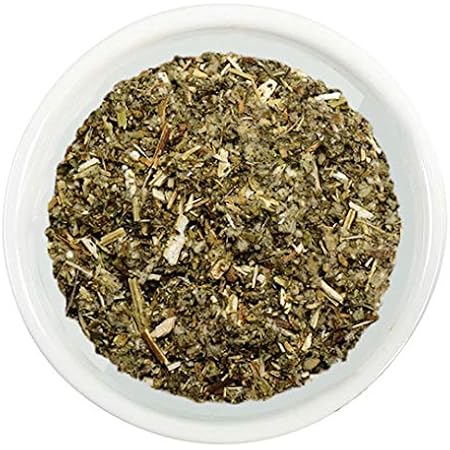
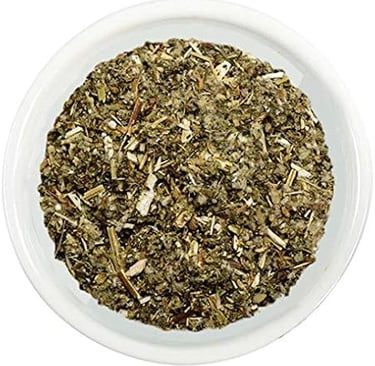
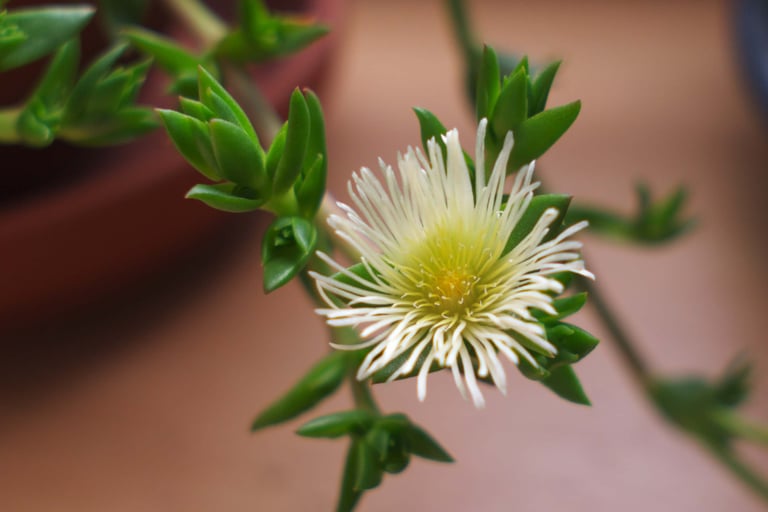
Kanna
Scientific Name: Sceletium tortuosum
Regional Origin: South Africa.
Historical/Traditional Occult Use: Traditionally used by indigenous groups to reduce fear and hunger, and to facilitate social bonding and spiritual communication during tribal rites.
Modern Metaphysical Use: Used to "open the heart" and dissolve social or spiritual anxiety. It is often used in group rituals to ensure participants are vibrationally aligned and receptive to one another.
Occult Benefits: Promotes empathy, dissolves the barriers of fear, and acts as a tool for "heart-centered" magic. It helps the practitioner enter a state of compassionate detachment.
General Use Benefits: Acts as a powerful mood booster, relieves stress, and aids in cognitive function by calming the fight-or-flight response.
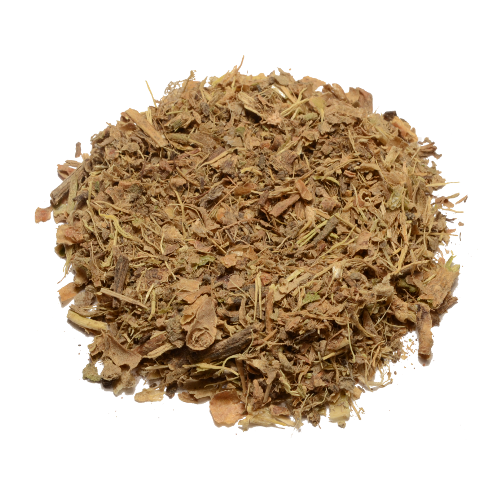
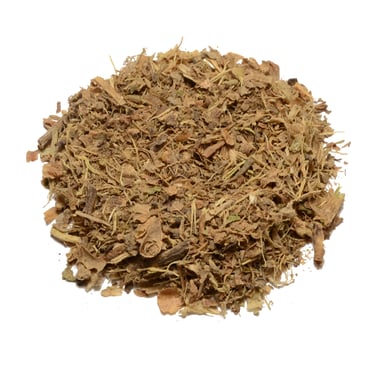
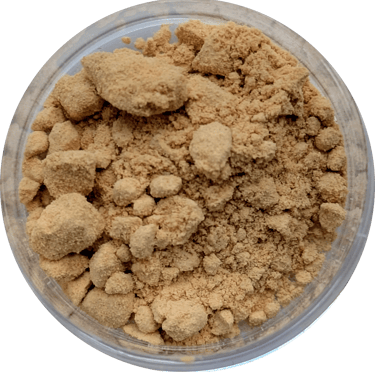
Kanna Extract Powder
Scientific Name: Sceletium tortuosum
Regional/Historical/Modern/Occult/General: Provides a high-potency version of the herb. Its concentration makes it ideal for use in smoking blends or quick-acting tinctures for acute anxiety management or rapid spiritual focus.


Lavender (Flower Whole)
Scientific Name: Lavandula angustifolia
Regional Origin: Mediterranean.
Historical/Traditional Occult Use: Associated with peace, tranquility, and long life. Historically used in baths to cleanse the spirit after mourning or intense emotional struggle.
Modern Metaphysical Use: One of the most versatile occult herbs. Used in almost all spells requiring calm, sleep, purification, or love.
Occult Benefits: Gently purifies the aura, heals emotional wounds, and provides a barrier of "peaceful" energy that keeps external drama at bay.
General Use Benefits: Excellent for reducing stress, promoting restful sleep, and acting as a mild antiseptic for the skin.


Lemon Balm
Scientific Name: Melissa officinalis
Regional Origin: Southern Europe and the Mediterranean.
Historical/Traditional Occult Use: Known as the "joy" herb. It was used to promote happiness, relieve melancholy, and attract success in romantic endeavors.
Modern Metaphysical Use: Used in rituals meant to banish depression, improve mood, and restore vitality to a tired spirit.
Occult Benefits: Acts as an energetic lift for the heart chakra. It helps "sweeten" the energy of a room and protects against pessimistic or depressive thought-forms.
General Use Benefits: A powerful mood lifter that reduces anxiety, settles the stomach, and promotes cognitive health.
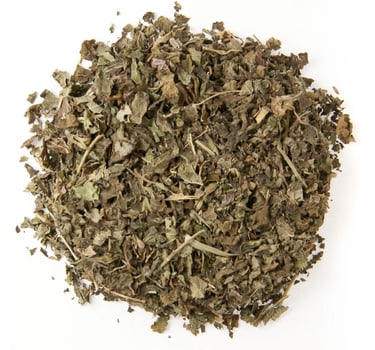
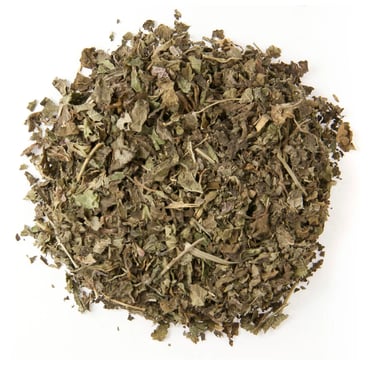


Lemon Peel
Scientific Name: Citrus limon
Regional Origin: South Asia (Assam/Myanmar/China).
Historical/Traditional Occult Use: Citrus peels are universally associated with the sun. They are used to add energy, clarity, and "sharpness" to any spell.
Modern Metaphysical Use: Used to "brighten" an intention. If a spell feels "stuck," adding lemon peel provides the boost needed to move things forward.
Occult Benefits: Cleanses negative vibrations, energizes the spell's intent, and helps in banishing stagnant energy that hinders progress.
General Use Benefits: Rich in antioxidants, it supports digestion, boosts the immune system, and adds a crisp, invigorating flavor.


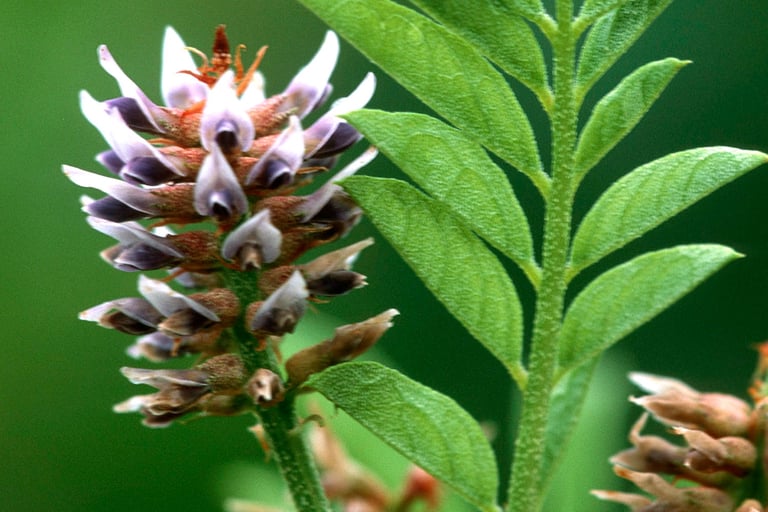
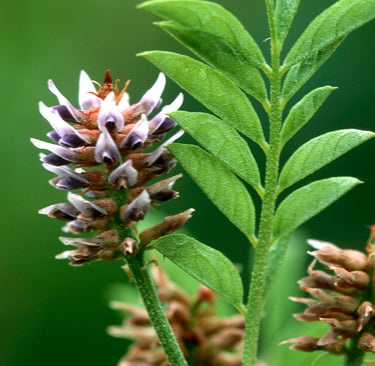
Licorice Root (Fine)
Scientific Name: Glycyrrhiza glabra
Regional Origin: Western Asia and Southern Europe.
Historical/Traditional Occult Use: Traditionally used in "commanding" and "persuasion" spells. It was believed to help the user gain favor with others and influence situations in their direction.
Modern Metaphysical Use: Used in spells for charisma, negotiation, and love-drawing.
Occult Benefits: Gives the user "sweet" authority. It helps people listen to you and agree with your desires. It is a binder of intentions, helping them stick to the target.
General Use Benefits: Soothes the digestive tract, supports the adrenal glands, and acts as a gentle anti-inflammatory for the respiratory system.
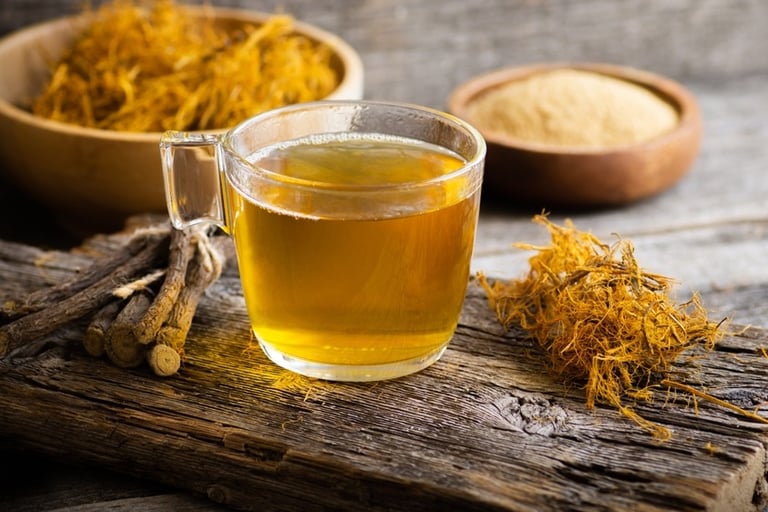
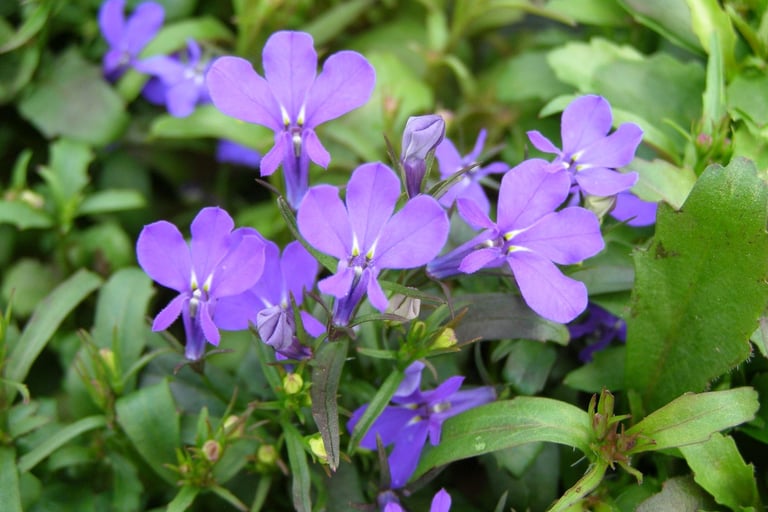
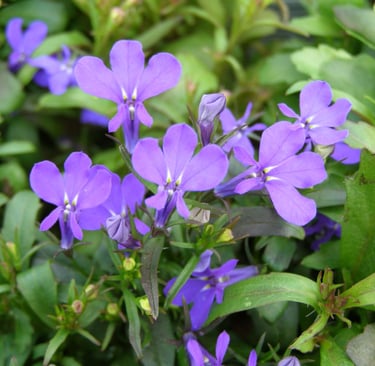
Lobelia
Scientific Name: Lobelia inflata
Regional Origin: North America.
Historical/Traditional Occult Use: Known as an "herb of obedience" in some traditions. It was used to clear negative blockages that prevent the spirit from listening to divine guidance.
Modern Metaphysical Use: Used sparingly in ritual to help "break" bad habits or remove internal resistance to change.
Occult Benefits: Helps the practitioner overcome personal ego and stubbornness. It acts as a bridge, making it easier to receive spiritual messages.
General Use Benefits: Traditionally used as a respiratory aid to help open bronchial passages, though it must be used with caution due to its potency.
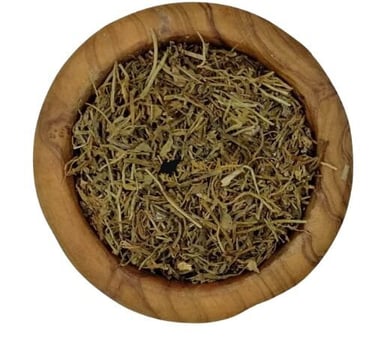
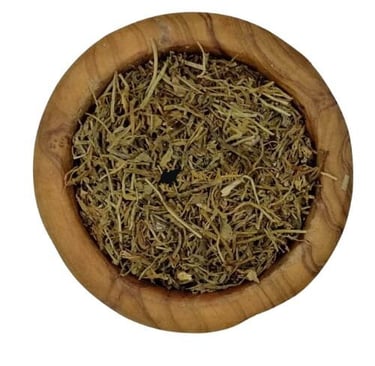
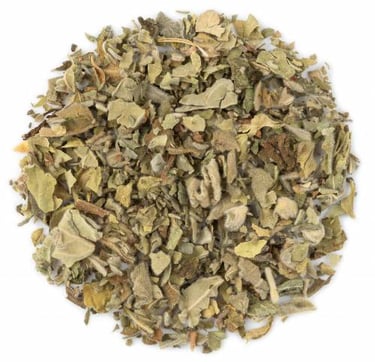
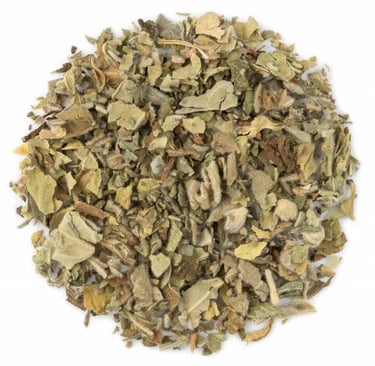
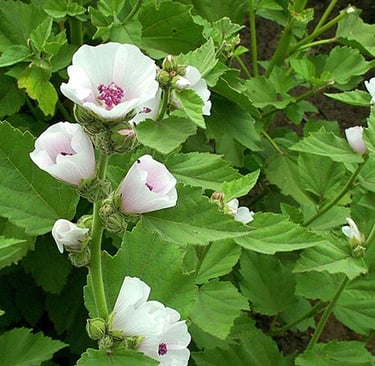
Marshmallow Leaf
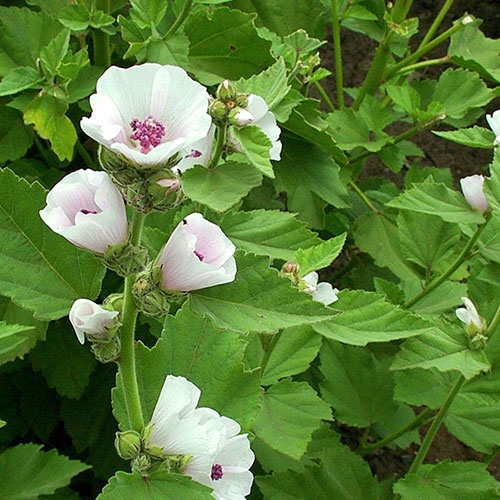
Scientific Name: Althaea officinalis
Regional Origin: Europe, Western Asia, and Northern Africa.
Historical/Traditional Occult Use: A very gentle, protective herb. Often used in spells for protection, peace, and spiritual kindness.
Modern Metaphysical Use: Used in "soothing" incense blends to calm the energy of a space, or as a base for spells involving communication and gentleness.
Occult Benefits: Promotes peace, healing, and kindness. It acts as an energetic buffer, making hard or difficult spells work in a more graceful, less jarring way.
General Use Benefits: Highly soothing to mucous membranes. Excellent for digestive and respiratory inflammation.
Mugwort
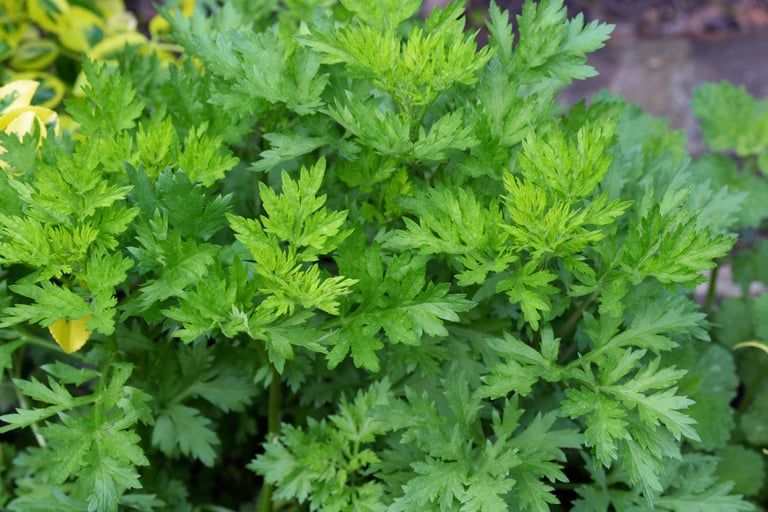
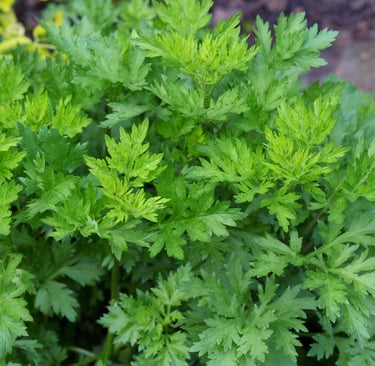
Scientific Name: Artemisia vulgaris
Regional Origin: Northern Europe and Asia.
Historical/Traditional Occult Use: The quintessential "witch’s herb." Known to open the third eye, enhance psychic dreams, and provide protection during astral travel.
Modern Metaphysical Use: Used for scrying, lucid dreaming, and as a smudge to cleanse the aura before ritual work.
Occult Benefits: Bridges the physical and spirit worlds, allowing for clear visions and deep intuitive insights. It is a powerful tool for contacting ancestors or spirit guides.
General Use Benefits: Traditionally used to aid digestion and promote menstrual regularity, though it is mostly prized for its psychoactive/dream-inducing qualities.
Mullein
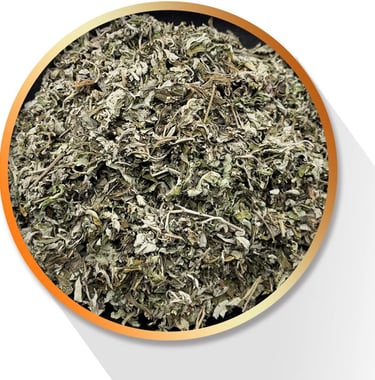
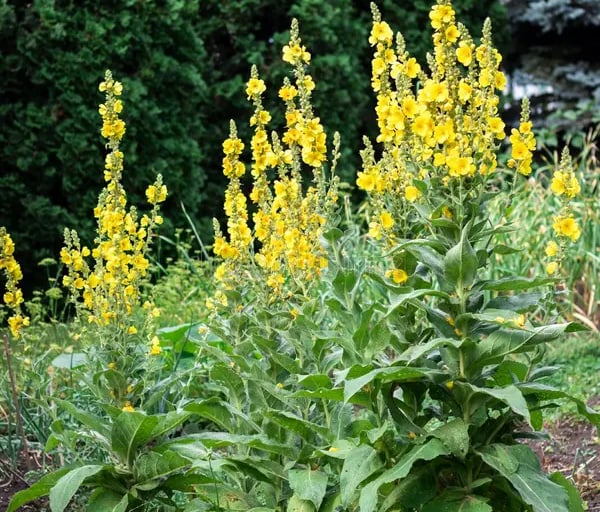
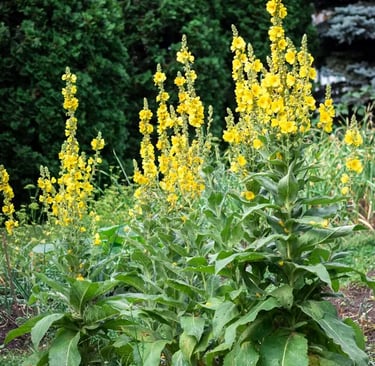
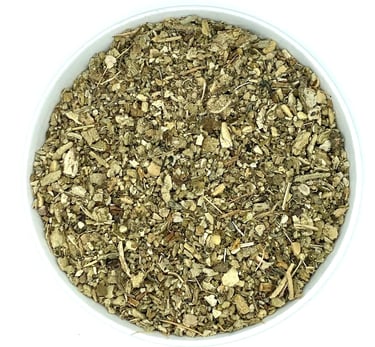
Scientific Name: Verbascum thapsus
Regional Origin: Europe, Asia, and North Africa.
Historical/Traditional Occult Use: Known as the "graveyard weed," it was used to provide protection from spirits. It was often carried to maintain courage in the face of fear.
Modern Metaphysical Use: Used in protection spells to shield against negative spirits and as an additive to incense to enhance deep, meditative work.
Occult Benefits: Provides a strong, grounded protective energy. It helps the practitioner stand their ground and remain courageous, even when dealing with heavy or malevolent entities.
General Use Benefits: Widely used as a respiratory tonic. It is excellent for soothing inflamed lungs and clearing congestion
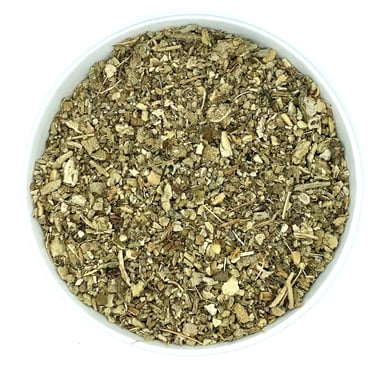


Orange Peel
Scientific Name: Citrus sinensis
Regional Origin: China/Southeast Asia.
Historical/Traditional Occult Use: Like lemon, orange is solar energy. It is specifically associated with joy, luck, and successful new beginnings.
Modern Metaphysical Use: Used in prosperity and "happiness" spells. It adds a layer of positivity and warmth to any blend.
Occult Benefits: Draws luck, increases self-confidence, and clears the path for success. It replaces "dull" energy with vibrant, golden, solar vitality.
General Use Benefits: Provides a boost to the immune system, promotes healthy skin, and aids in digestion.


Peppermint
Scientific Name: Mentha piperita
Regional Origin: Europe and the Middle East.
Historical/Traditional Occult Use: A potent purifier. Used to clear away "dead" or stale energy and to speed up the action of other herbs in a spell.
Modern Metaphysical Use: Used in cleansing incense and to add "quickness" and vitality to any magical working.
Occult Benefits: Breaks through stagnant energy, cleanses the psychic environment, and acts as a powerful protector against negative thoughts. It "wakes up" your magic.
General Use Benefits: Excellent for digestive distress, headaches, and refreshing the mind/focus.


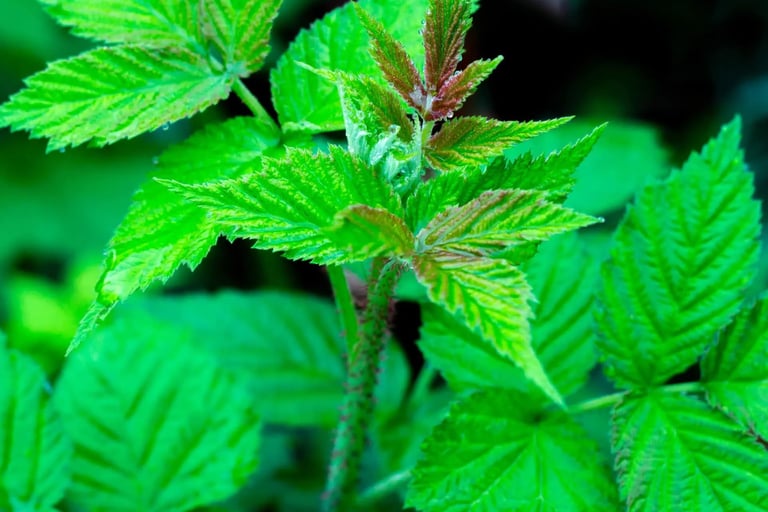
Raspberry Leaf
Scientific Name: Rubus idaeus
Regional Origin: Europe and Northern Asia.
Historical/Traditional Occult Use: Strongly associated with the divine feminine, fertility, and protection of women. It was historically used in rituals to strengthen the physical and spiritual body.
Modern Metaphysical Use: Used in rituals concerning fertility, mother-goddess work, and protection during pregnancy or transitions.
Occult Benefits: Provides a protective, nurturing, and strengthening energy. It helps heal the heart and encourages a sense of balance and security in one's personal life.
General Use Benefits: Known as a uterine tonic, it supports women’s health, is rich in vitamins, and aids in digestive and immune function.
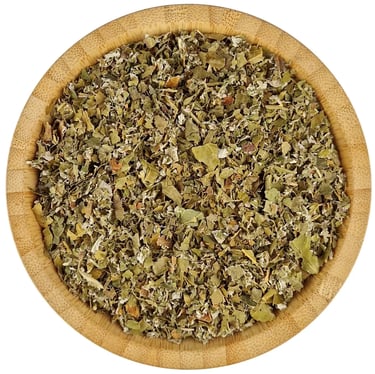
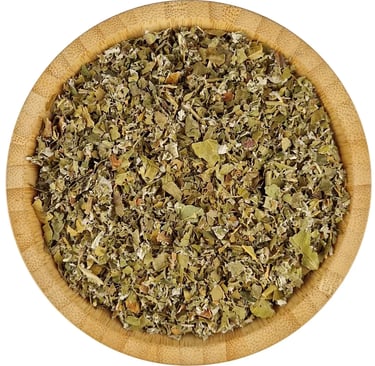
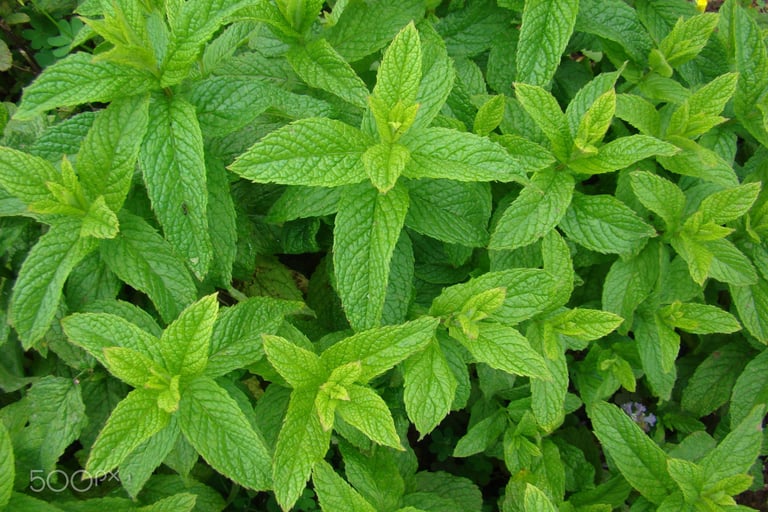
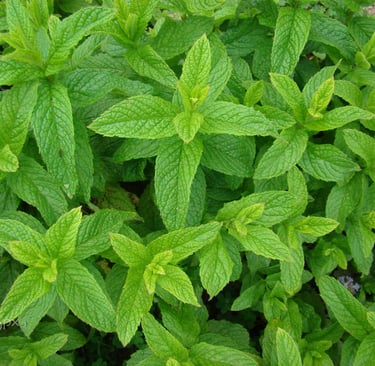
Spearmint
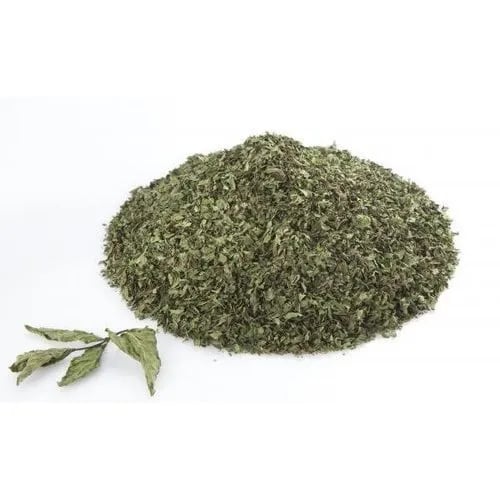
Scientific Name: Mentha spicata
Regional Origin: Europe and Asia.
Historical/Traditional Occult Use: Traditionally used in "healing" and "mental clarity" spells. It is milder than peppermint and used for gentler, more focused work.
Modern Metaphysical Use: Used in rituals for communication, speech, and mental focus. It is the "gentle" version of peppermint, used when you need clarity without being overwhelmed.
Occult Benefits: Aids in clear communication, protects against "verbal" negativity (like gossip), and helps focus the mind during meditation.
General Use Benefits: Supports digestion, reduces nausea, and helps freshen the breath.
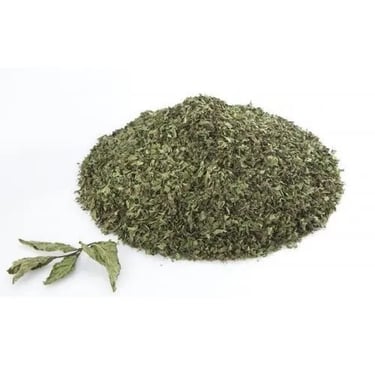
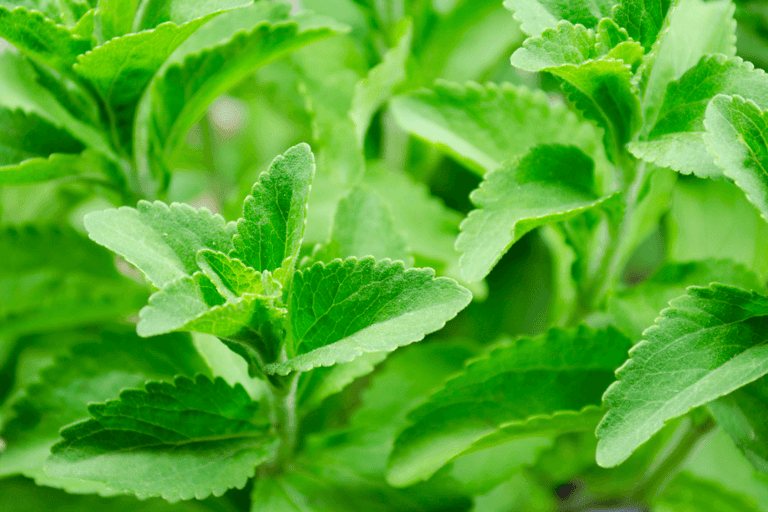
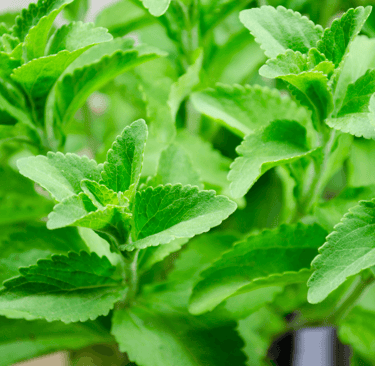
Stevia Leaf
Scientific Name: Stevia rebaudiana
Regional Origin: South America (Paraguay/Brazil).
Historical/Traditional Occult Use: A modern addition to the occult canon. Because of its intense sweetness, it is used in "sweetening" spells—spells meant to make a sour situation better or a person more amenable to your request.
Modern Metaphysical Use: Used as a substitute for sugar in spells where you want to sweeten someone's disposition or make a path smoother.
Occult Benefits: "Sweetens" the energy of any working, ensuring that the results are pleasant and harmonious rather than forced.
General Use Benefits: A natural, non-caloric sweetener. It helps manage blood sugar levels and is a preferred alternative to synthetic additives.
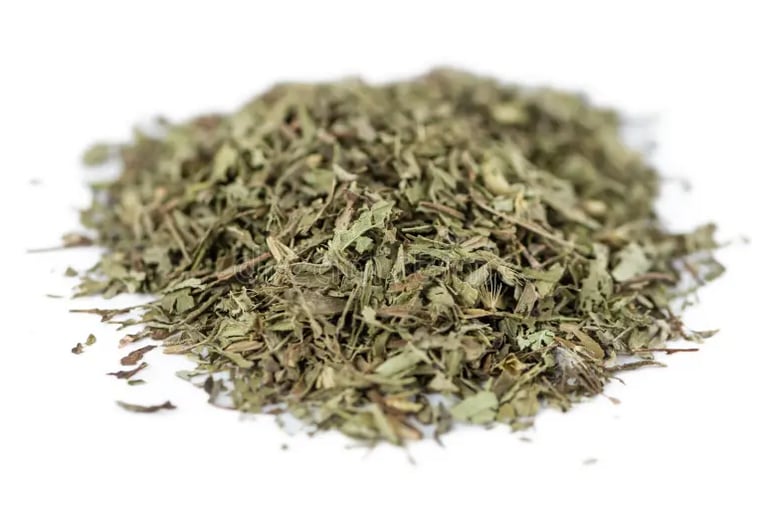
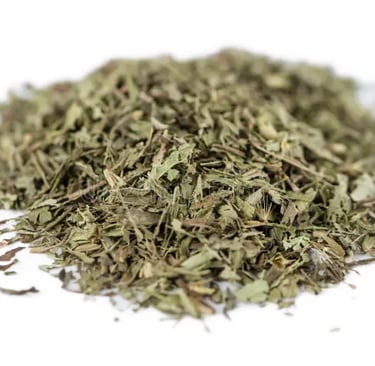


White Sage (Fine)
Scientific Name: Salvia apiana
Regional Origin: Southwestern United States and Northwestern Mexico.
Historical/Traditional Occult Use: Sacred to many Indigenous cultures, it is used for deep cleansing, purification, and honoring the ancestors. It is a powerful remover of "heavy" or dense energies.
Modern Metaphysical Use: The standard tool for clearing a space, ritual tools, or an aura of negativity.
Occult Benefits: Acts as a powerful banishing tool. It resets the energy of a room, clears away stagnant psychic residues, and prepares the space for sacred work.
General Use Benefits: Traditionally used for medicinal purposes in teas and tinctures for sore throats and inflammation, though primarily used for its aromatic properties in modern times.


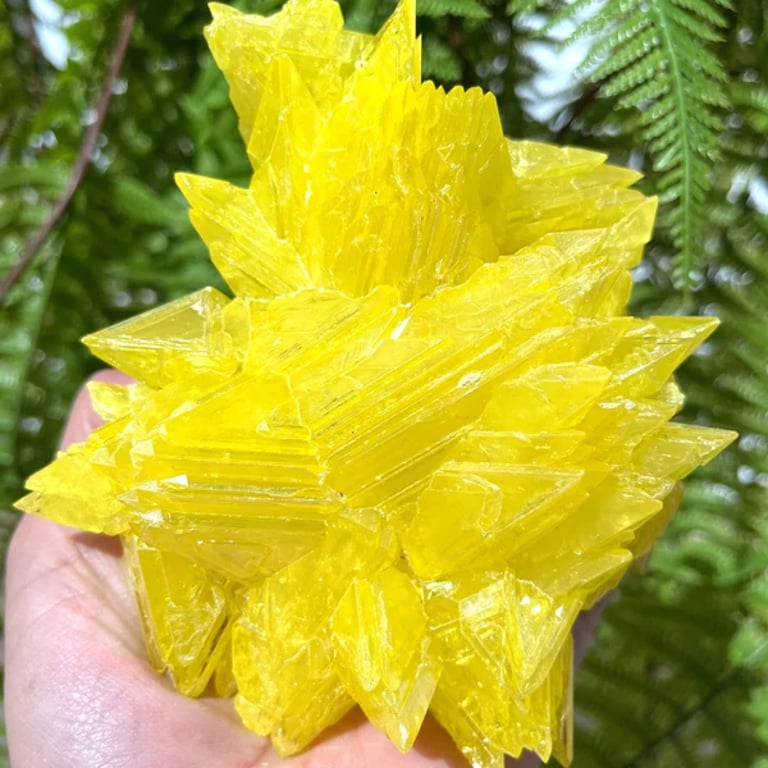
Sulfur (Brimstone/Sublimated Sulfur)
Scientific Name: S (Non-metallic chemical element)
Regional Origin: Volcanic regions worldwide (Historically sourced from deposits near thermal springs and volcanic vents).
Historical/Traditional Occult Use: Known as "Brimstone," sulfur has been associated with the transformative fires of the earth and the underworld. In alchemy, it is the "Active Masculine" principle, representing the soul and the internal fire of transformation. Historically, it was burned to fumigate spaces, ward off pestilence, and neutralize dark sorcery due to its pungent, unmistakable odor.
Modern Metaphysical Use: Used as a potent, aggressive agent for banishing and protection. It is a "heavy-duty" tool for clearing out persistent or stubborn negativity, breaking unwanted hexes, or purging a space of chaotic, intrusive spirits.
Occult Benefits: Sulfur is a primal, "raw" substance. It acts as an energetic "fire extinguisher" for negative spiritual infestations. Its distinct smell is believed to be repulsive to malevolent or low-vibrational entities, effectively "cleaning house" by making the environment inhospitable to them. It is the catalyst for the alchemical process of Calcination—the breaking down of the ego and the burning away of the superfluous to reveal the core essence of one's intent.
General Use Benefits: While largely restricted to ritual and specialized industrial use, it has been used historically in mineral-rich skin treatments (in highly diluted, safe forms) and as a stabilizer in various organic compounds.
Ritual Uses: Burn a tiny amount on a charcoal disk to aggressively "clear the air" after an intense banishing ritual. Mix into protective salts to "heat up" the barrier, or place in a small container near a front door to act as an energetic "guard dog" against psychic intrusion.
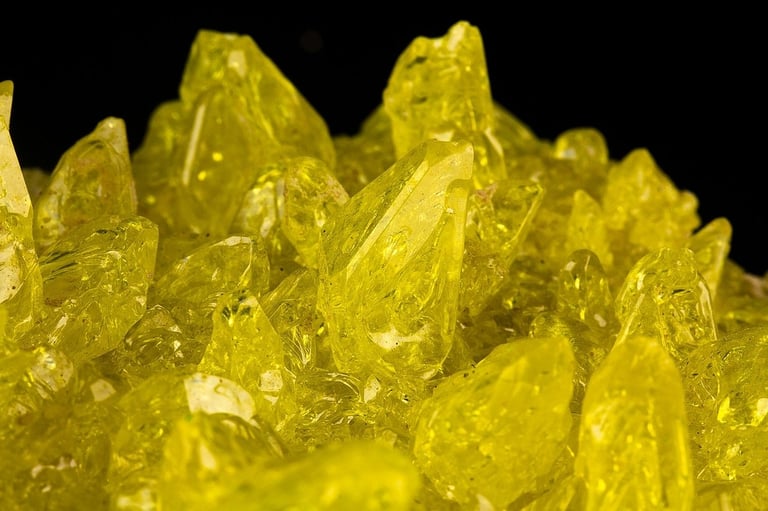
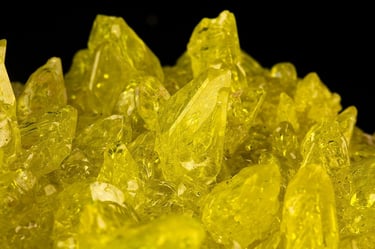


Frankincense (Boswellia Resin)
Scientific Name: Boswellia sacra (Resin)
Regional Origin: The Arabian Peninsula, Horn of Africa, and India (Historically centered around the ancient Incense Route).
Historical/Traditional Occult Use: Frankincense is the "King of Incense." For millennia, it has been used in temples, churches, and sacred ceremonies to bridge the gap between the mundane and the divine. Its smoke is believed to carry prayers directly to the heavens, purifying the air of malevolent spirits and establishing a space of absolute sanctity.
Modern Metaphysical Use: Used as a universal tool for consecration and elevation. It is the gold standard for clearing a space, consecrating altar tools, and inducing a deep, meditative state necessary for high-level ritual work or clairvoyant practice.
Occult Benefits: Frankincense vibrates at a high, solar frequency. It acts as an energetic "up-lifter," clearing away heavy, stagnant, or depressive energies and replacing them with a crisp, golden clarity. Metaphysically, it stabilizes the aura and sharpens the spiritual "vision," making it an indispensable tool for practitioners who work with solar deities or wish to heighten their own psychic awareness.
General Use Benefits: Highly valued in aromatherapy for its ability to promote deep, rhythmic breathing and reduce anxiety. It is also an excellent natural ingredient for luxury skincare (Elysium Fields) due to its anti-inflammatory and skin-rejuvenating properties.
Ritual Uses: Burn on a charcoal disk to consecrate a new space or altar before ritual work. Use as a primary offering to solar or masculine archetypes, or blend with Myrrh to create a balanced "sun and moon" atmosphere for ceremonies requiring both power and intuition.
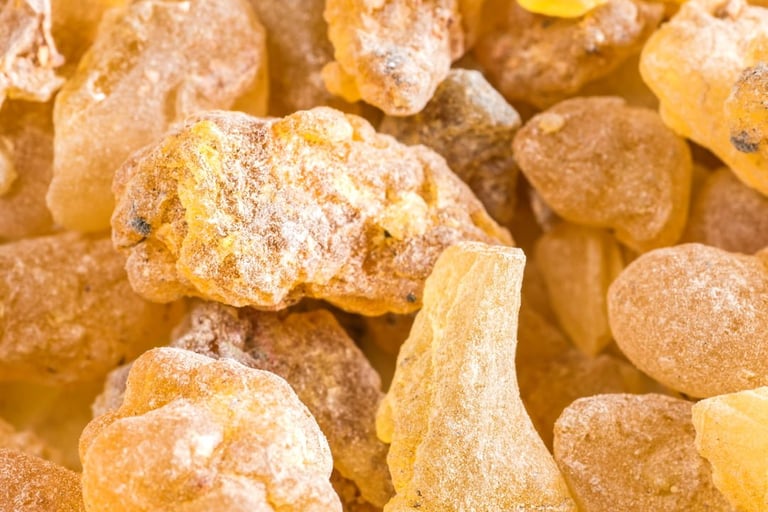
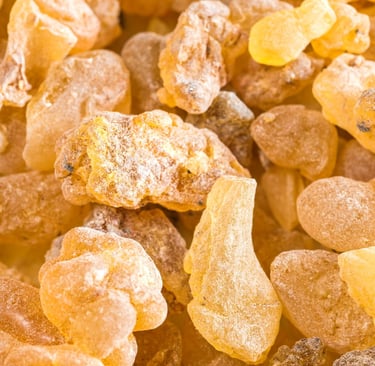
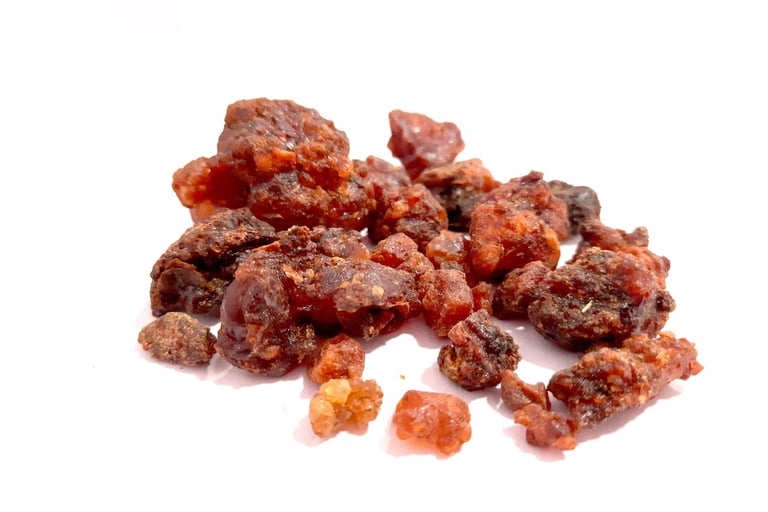
Myrrh
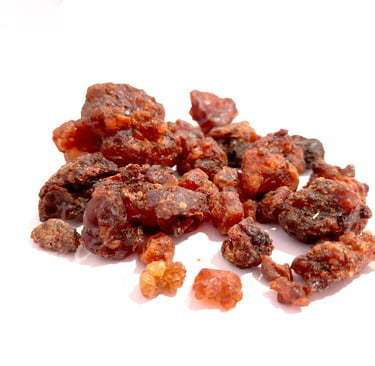
Scientific Name: Commiphora myrrha (Resin)
Regional Origin: The Horn of Africa and the Arabian Peninsula (Historical trade staple of the ancient Incense and Spice Routes).
Historical/Traditional Occult Use: Often paired with Frankincense, Myrrh is the "Queen of Incense." Historically, it was used in funerary rites, embalming, and purification, signifying its deep connection to the mysteries of life, death, and the transition of the soul. It was valued for its ability to "bind" the spirit to the physical or to assist in the safe passage of the departed.
Modern Metaphysical Use: Used in rituals involving introspection, grounding, and "low-vibration" work (in a positive sense—the work of the root and the subconscious). It is the premier resin for healing deep emotional wounds and creating a stable, meditative anchor for moon-centered or lunar-based rituals.
Occult Benefits: Myrrh vibrates at a deep, earthen, lunar frequency. It acts as an energetic "sedative" for the mind, calming chaotic thoughts and allowing the practitioner to descend into the "underworld" of the psyche for shadow work. Metaphysically, it stabilizes the base and sacral chakras, promoting resilience, acceptance, and a profound sense of "being at home" in one's own physical body.
General Use Benefits: Renowned in traditional medicine and skincare for its potent antiseptic, anti-inflammatory, and wound-healing properties. It is a cornerstone ingredient for Elysium Fields luxury salves, especially those intended for soothing irritated or mature skin.
Ritual Uses: Burn on a charcoal disk during evening or New Moon rituals to facilitate meditation and dream-work. Use as an offering to chthonic (earth-based) or feminine archetypes, or blend with Frankincense to create the "Seal of Balance," uniting the masculine solar energy of the Frankincense with the feminine lunar energy of the Myrrh.
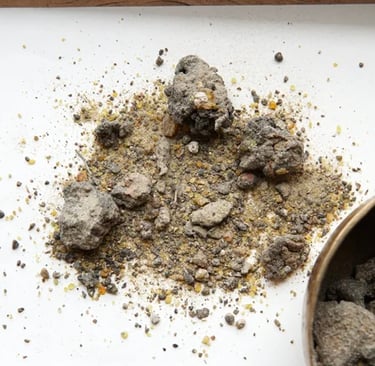
Palo Santo Resin (Bursera graveolens)
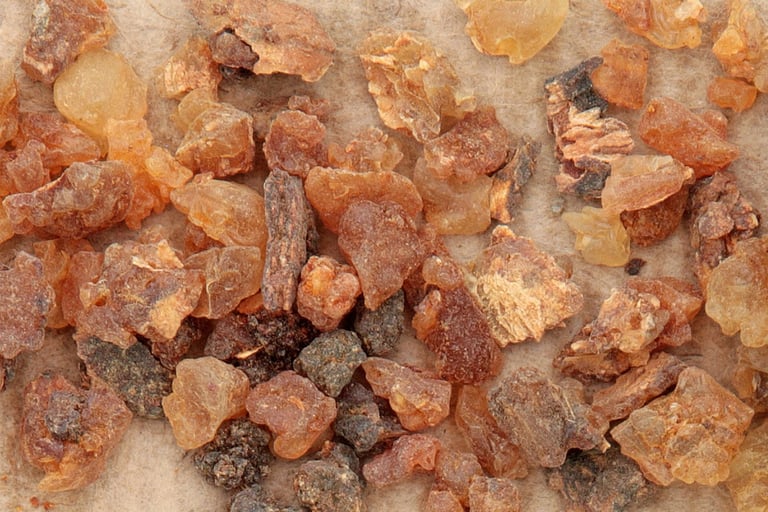
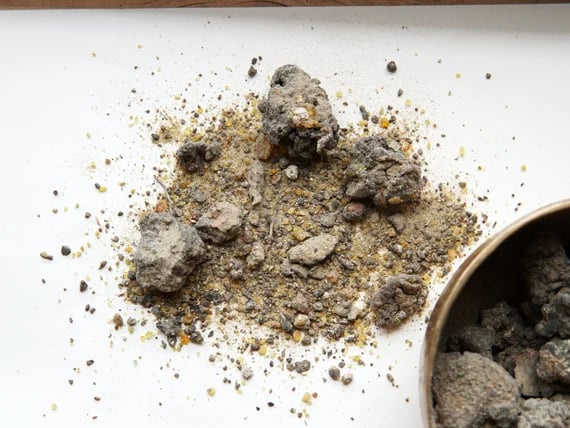
Scientific Name: Bursera graveolens (Resin)
Regional Origin: Western South America, particularly Ecuador and Peru, where the tree grows in dry tropical forests and has been revered by Indigenous cultures for centuries.
Historical/Traditional Occult Use: Known as "Holy Wood," Palo Santo has long been used in spiritual ceremonies, energy cleansing practices, and healing rituals throughout South America. Shamans traditionally burned the resin and wood to purify sacred spaces, dispel unwanted energies, invite blessings, and strengthen spiritual connection. Its sweet, uplifting aroma was believed to attract benevolent spirits while creating harmony between the physical and spiritual worlds.
Modern Metaphysical Use: Used to cleanse, balance, and elevate the energy of a space before meditation, ritual work, prayer, or divination. Palo Santo Resin is valued for creating a peaceful atmosphere that encourages clarity, focus, and spiritual awareness. Many practitioners use it as a gentler alternative to stronger cleansing botanicals.
Occult Benefits: Palo Santo operates on a frequency of purification, renewal, and divine harmony. Rather than forcefully banishing energy, it is traditionally used to transform stagnant or discordant influences into a more balanced state. Metaphysically, it is associated with spiritual protection, heightened intuition, emotional healing, and attracting positive energies. It is often used to prepare sacred spaces and strengthen one's connection to higher guidance.
General Use Benefits: Renowned for its warm, woody, citrus-like fragrance that promotes relaxation and emotional well-being. The aromatic smoke is commonly used to freshen living spaces, encourage mindfulness, reduce stress, and create an atmosphere of comfort and tranquility.
Ritual Uses: Burn a small amount on a charcoal disk to cleanse and bless a space before ritual work. Use during meditation to encourage focus and spiritual awareness. Add to incense blends to enhance purification, invite positive energy, and create a peaceful foundation for manifestation, prayer, or contemplative practices.
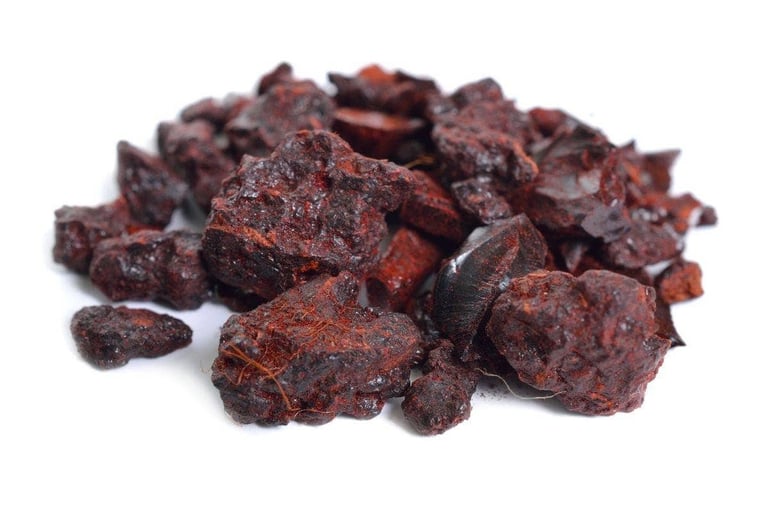
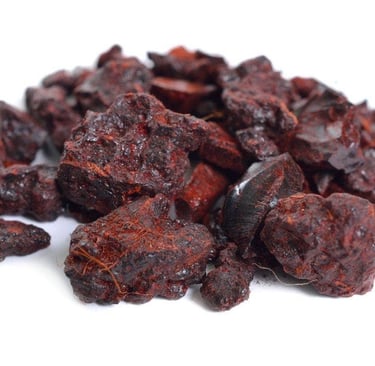
Dragon's Blood Resin (Daemonorops draco)
Scientific Name: Daemonorops draco (Resin)
Regional Origin: Southeast Asia (Historically sourced from the rattan palm; traditional trade routes linked it to India and the Mediterranean).
Historical/Traditional Occult Use: Known as the "Blood of the Earth," this resin was prized in antiquity as a universal panacea and a potent magical additive. Historically, it was used to color alchemical potions, consecrate tools, and serve as an "accelerant" for any spell. Its deep, ruby-red color caused early practitioners to associate it with life-force, blood magic, and raw, primal power.
Modern Metaphysical Use: Used as a potent "booster" or "sealer" in ritual work. It is considered the most powerful tool for adding strength, authority, and masculine intensity to any spell. It is rarely used alone, but rather added to other incense or oils to "supercharge" the intended outcome.
Occult Benefits: Dragon's Blood operates on a frequency of pure, focused intent. It is an energetic "amplifier." If a spell needs extra "teeth"—such as a protection working that requires more authority, or a manifestation working that needs more physical momentum—Dragon's Blood provides the necessary charge. Metaphysically, it is associated with the planet Mars; it brings courage, removes obstacles, and provides the "Warrior’s Shield" of protection to the practitioner.
General Use Benefits: Renowned in historical medicine as a coagulant and wound-healer. In home settings, its heavy, spicy-sweet smoke acts as a powerful deodorizer, effectively "wiping" the air of lingering stagnant or low-vibrational scents.
Ritual Uses: Burn a small amount on a charcoal disk to empower a protection spell. Mix into your Etheric Sanctum oil blends to "fix" the intention and ensure it holds, or scatter a small amount of powdered resin around the base of a candle to infuse the working with intense, focused, and aggressive power.
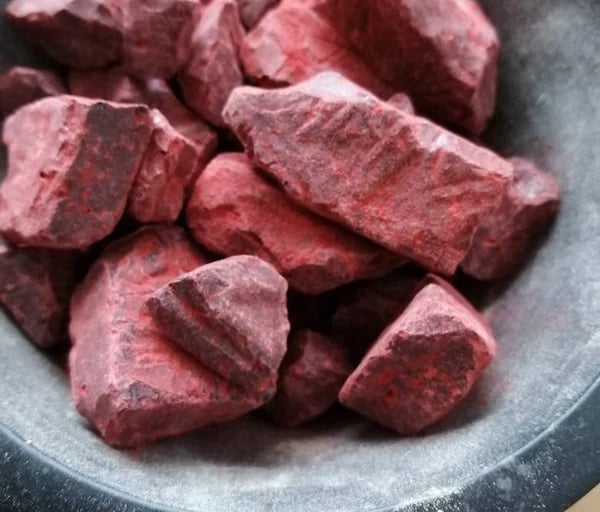
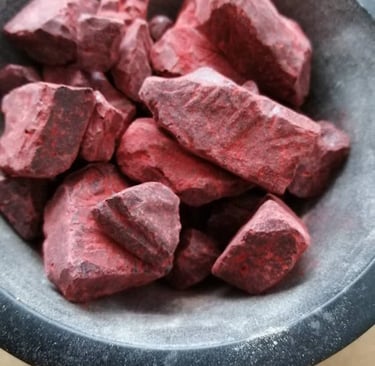
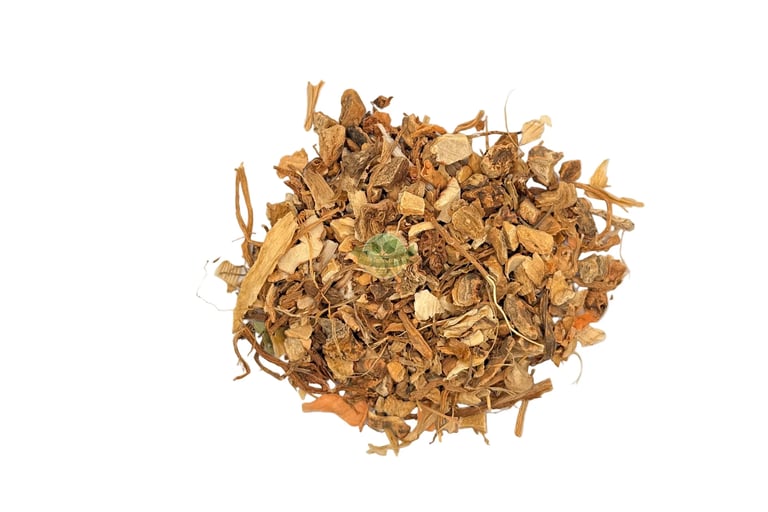
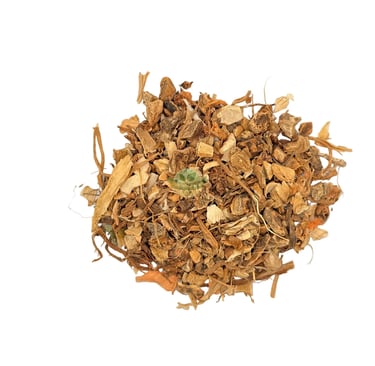
Orris Root (Iris germanica, Iris pallida, or Iris florentina)
Scientific Name: Iris pallida (Root)
(Orris Root may also be derived from closely related iris species.)
Regional Origin: Mediterranean Europe, particularly Italy, France, and the Balkan regions, where the iris has been cultivated for centuries for its prized aromatic rhizomes.
Historical/Traditional Occult Use: Orris Root has long been regarded as a powerful botanical of attraction, persuasion, and enchantment. In European folk magic, it was carried in sachets, added to charms, and incorporated into love-drawing rituals. Its sweet violet-like fragrance made it a favored ingredient in magical powders and incense intended to attract affection, prosperity, and favorable outcomes.
Modern Metaphysical Use: Used in manifestation work focused on attraction, personal magnetism, abundance, and harmonious relationships. Many practitioners include Orris Root in spell bags, incense blends, and ritual powders to strengthen intentions related to love, confidence, creativity, and opportunity.
Occult Benefits: Orris Root operates on a frequency of attraction, elegance, and subtle influence. It is traditionally believed to amplify personal charisma, encourage favorable attention, and draw desired opportunities toward the practitioner. Metaphysically, it is associated with Venusian energies, promoting love, beauty, abundance, and emotional harmony. It is often used when seeking to attract rather than compel.
General Use Benefits: Valued for its rich floral aroma, often described as soft violet, earthy, and powdery. Orris Root is widely used in perfumery, incense, and aromatic blends to add depth, warmth, and longevity to fragrances. Its scent creates an atmosphere of comfort, refinement, and gentle inspiration.
Ritual Uses: Burn on a charcoal disk as part of attraction or abundance rituals. Add to incense blends, charm bags, ritual powders, or manifestation work focused on love, prosperity, creativity, and personal magnetism. Place a small amount on an altar to symbolize beauty, abundance, and the drawing of beneficial influences.
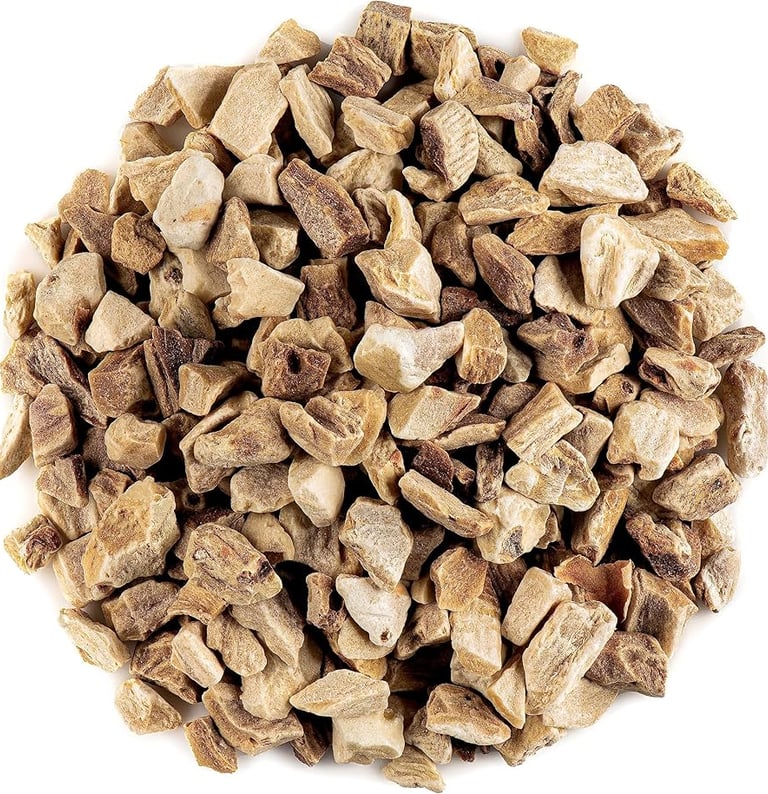
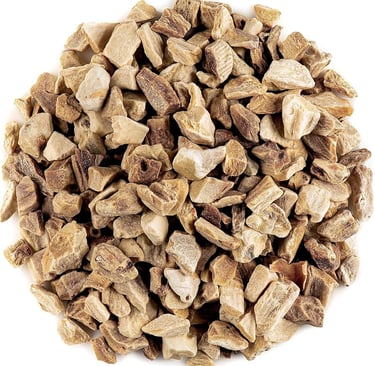
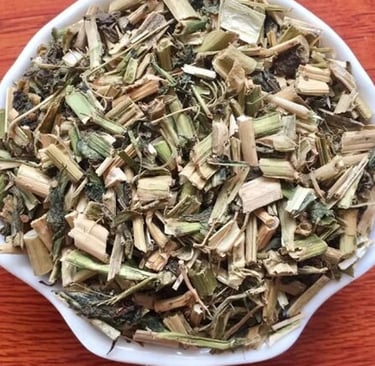
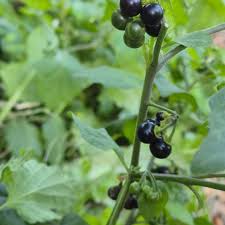
Black Nightshade (Solanum nigrum)
Scientific Name: Solanum nigrum
Regional Origin: Native to Eurasia and widely naturalized throughout Europe, Asia, Africa, and the Americas. It has been recognized in traditional herbal and folk practices across many cultures for centuries.
Historical/Traditional Occult Use: Black Nightshade has long been associated with mystery, protection, and the unseen realms. In various folk traditions, it was regarded as a plant of twilight and transformation, used in protective charms, boundary work, and rituals intended to explore hidden knowledge. Due to its potent nature and connection to the night, it was often treated with caution and respect by practitioners.
Modern Metaphysical Use: Used in spiritual practices focused on shadow work, personal transformation, psychic protection, and introspection. Many practitioners view Black Nightshade as a symbolic ally when confronting fears, breaking old patterns, and exploring the deeper aspects of the self.
Occult Benefits: Black Nightshade operates on a frequency of protection, transformation, and hidden wisdom. It is traditionally associated with banishing negative influences, strengthening spiritual boundaries, and navigating periods of personal change. Metaphysically, it is linked to lunar energies, intuition, and the exploration of mysteries that lie beyond ordinary perception.
General Use Benefits: Primarily valued today for its historical, cultural, and symbolic significance. Its dark berries and distinctive appearance have made it a plant of fascination in folklore, mythology, and traditional botanical studies. Due to the potential toxicity of plant parts and berries, it should be handled with appropriate caution and respect.
Ritual Uses: Commonly placed on altars, incorporated into protective talismans, or used symbolically in rituals focused on banishing, transformation, and spiritual boundary-setting. It is often included in workings that emphasize personal growth, self-discovery, and protection during times of change.
Safety Note: Solanum nigrum contains naturally occurring compounds that may be toxic. It is not intended for consumption unless prepared and used under the guidance of a qualified expert familiar with the species and its traditional preparation methods.
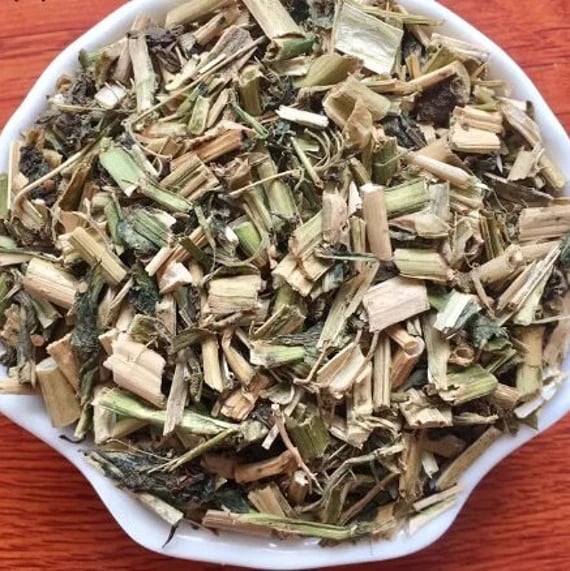
Quick FAQs
What are herbs?
Herbs are plants used for flavor, scent, or medicinal purposes.
How to store herbs?
Keep herbs in a cool, dry place away from direct sunlight to maintain freshness.
Are herbs safe to consume?
Most culinary herbs are safe when used properly, but some can be toxic or poisonous. Understand what you choose to acquire and its origins and uses, and always check for allergies or interactions. never assume any herbs are intended for consumption unless explicitly noted.
Each herb entry includes detailed descriptions and images. Always find out if any have toxic or poisonous effects. Most are generally safe but can always cause side effects depending on uses.
Can I use herbs medicinally?
Where do herbs come from?
Herbs grow worldwide, often cultivated or wild-harvested depending on the species and availability.